

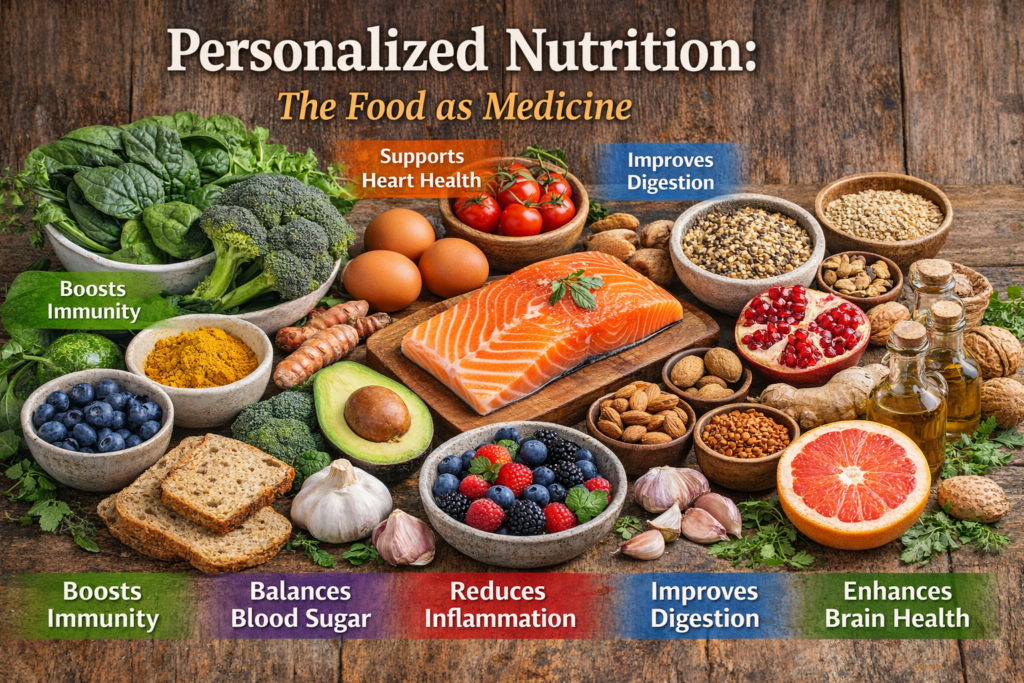
Traditional “one-size-fits-all” nutritional advice that dominated for decades is being replaced by personalized nutrition strategies based on individual metabolic biomarkers, genetic factors, and real-time body responses. Indeed, personalized nutrition has evolved from a futuristic concept to an accessible reality in 2026. Furthermore, it’s transforming how health-conscious individuals and practitioners approach dietary optimization.
According to a U.S. News & World Report survey of 58 health experts, 38% rated AI-integrated wearable technology as a top 2026 health trend. Moreover, continuous glucose monitors and other devices now offer unprecedented metabolic feedback. Consequently, this convergence of ancient food-as-medicine wisdom with cutting-edge biotechnology represents the future—precise, data-driven, and uniquely tailored to your biology.
Understanding Personalized Nutrition Basics
First and foremost, personalized nutrition recognizes a fundamental truth that conventional dietary guidelines ignore: every individual responds differently to the same foods. This happens because of their unique genetics, gut bacteria composition, metabolic state, lifestyle factors, and health history. What helps one person thrive may actually harm another. Consequently, this explains why individualized approaches have become essential for anyone serious about health.
The concept isn’t new—ancient healing systems like Ayurveda and Traditional Chinese Medicine practiced individualized dietary prescription for millennia. However, what’s revolutionary is our ability to measure and track individual responses with unprecedented precision through metabolic biomarkers. As a result, this enables recommendations based on objective data rather than subjective guesswork alone.
Furthermore, this approach goes beyond simple calorie counting or macronutrient ratios. Instead, personalized nutrition considers how your unique biology processes specific foods. Additionally, it examines how meals affect your blood sugar, inflammation levels, energy production, brain function, and long-term disease risk. Therefore, this comprehensive framework creates lasting dietary patterns aligned with your body’s actual needs rather than population averages.
The Technology Revolution Enabling Personalized Nutrition
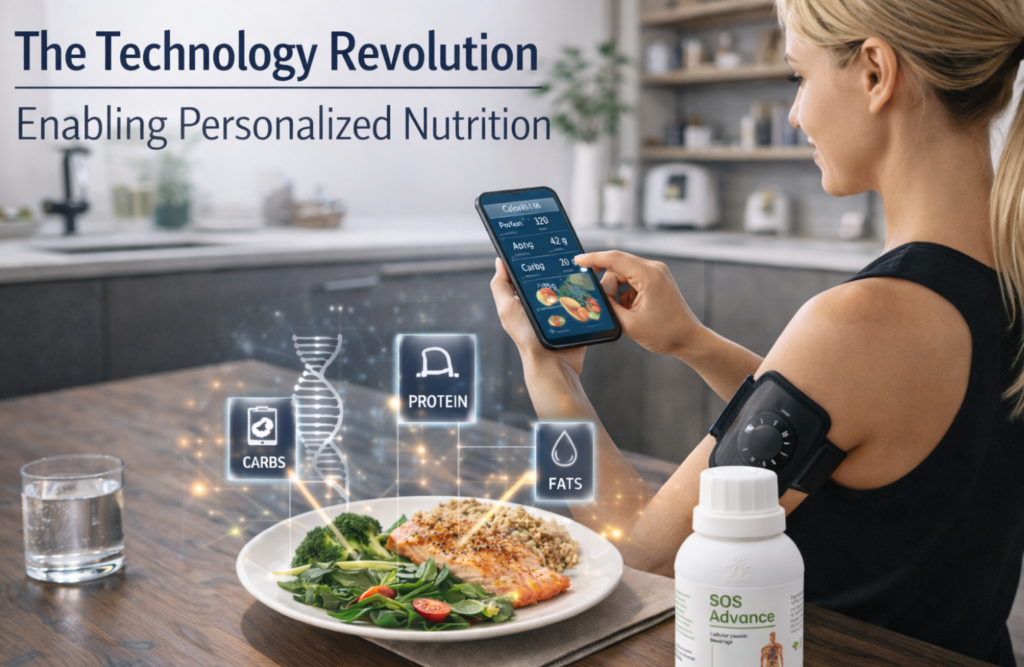
Recent technological advances have made personalized nutrition accessible to everyday consumers beyond elite athletes and biohackers. Notably, wearable devices now provide real-time metabolic biomarker feedback that was previously available only in research laboratories. Consequently, this democratizes dietary optimization for everyone.
Continuous Glucose Monitors (CGMs): These devices revolutionized personalized nutrition by revealing individual blood sugar responses to specific foods. Research published in 2025 shows that identical meals can produce drastically different blood sugar spikes between individuals. For instance, one person might spike from rice while staying stable with pasta. Meanwhile, another experiences the opposite. Thus, CGMs make precise dietary adjustment possible by identifying your unique responses.
Dexcom’s newly launched G7 15 Day system provides real-time glucose readings for 15.5 days. Additionally, next-generation devices from multiple manufacturers promise even longer wear times. Furthermore, they offer non-invasive monitoring and multi-biomarker tracking capabilities.
AI-Integrated Wearables: Devices combining multiple sensors—glucose, heart rate changes, sleep quality, activity levels—provide comprehensive metabolic biomarker data. Subsequently, machine learning algorithms analyze these patterns. As a result, they deliver personalized nutrition recommendations that evolve as your body changes.
Microbiome Testing: Comprehensive stool analysis reveals your unique bacterial makeup. Consequently, this enables dietary strategies that feed good species while starving harmful ones. Importantly, different gut bacteria profiles require different dietary approaches for optimal health through personalized nutrition.
Genetic Testing: Understanding genetic variants affecting nutrient metabolism, food sensitivities, and chronic disease risk allows truly personalized nutrition tailored to your genetic blueprint. Therefore, this provides permanent insights for lifelong optimization.
These technologies transform dietary optimization from guesswork to precision medicine. As a result, they create data-driven personalized nutrition strategies optimized for your unique biology.
Metabolic Biomarkers: The Foundation of Personalized Nutrition
Effective nutrition depends on accurately measuring metabolic biomarkers that reveal how your body responds to dietary inputs. Key biomarkers include:
Blood Glucose Response: Perhaps the most important metabolic biomarker for personalized nutrition, glucose response reveals insulin sensitivity, metabolic flexibility, and diabetes risk. Moreover, CGMs allow continuous monitoring. Consequently, they identify exactly which foods destabilize your blood sugar.
Inflammation Markers: Testing hs-CRP, IL-6, and other inflammatory proteins reveals which foods trigger inflammation in your unique system. Therefore, this critical information helps address chronic disease through personalized nutrition.
Lipid Panels: Advanced cholesterol testing including particle size and number provides metabolic biomarker data essential for heart health optimization. Additionally, this goes beyond traditional total cholesterol numbers.
Hormone Levels: Insulin, cortisol, thyroid hormones, and sex hormones all influence dietary needs. Consequently, personalized nutrition considers hormonal status when creating recommendations.
Nutrient Status: Testing vitamins, minerals, and other micronutrients identifies deficiencies requiring correction through targeted foods or supplements. Thus, this ensures your body has all necessary building blocks.
Gut Health Markers: Zonulin (intestinal barrier function), beta-glucuronidase (detox capacity), and secretory IgA (immune function) provide metabolic biomarker data. As a result, they inform personalized nutrition for gut healing.
Blood Sugar Optimization Through Healthy & Balanced Nutrition
Blood sugar regulation represents the cornerstone of personalized nutrition for most individuals. Unstable glucose creates energy crashes, promotes fat storage, accelerates aging, and increases chronic disease risk. However, blood sugar responses vary dramatically between individuals based on several factors:
- Gut bacteria composition
- Insulin sensitivity
- Sleep quality
- Stress levels
- Meal timing and context
- Previous meal composition
- Physical activity patterns
These variables explain why personalized nutrition based on individual glucose responses produces superior results compared to generic low-sugar diets. For instance, one person might thrive on quinoa while experiencing blood sugar spikes from oatmeal. Meanwhile, another shows the opposite pattern. Therefore, only precision dietary planning reveals these individual differences.
CGM data enables personalized nutrition strategies that maintain stable blood sugar throughout the day. Consequently, this optimizes energy, brain function, and metabolic health. Additionally, this precision approach eliminates the trial-and-error of traditional dietary experimentation.
Creating Optimal Cellular Function
True optimization requires more than just avoiding problematic foods—it demands cellular-level support that allows your body to respond optimally to nutritional inputs. When cells are burdened with toxins, inflammation, or nutrient deficiencies, even perfectly designed personalized nutrition cannot deliver full benefits.
SOS Advance creates the cellular foundation necessary for personalized nutrition success. By helping eliminate accumulated toxins that impair cell function, it allows your cells to properly respond to nutritional signals. Think of it as creating a “clean slate” upon which precise dietary strategies can write their optimal program.
When cellular function is compromised, metabolic biomarkers remain disrupted regardless of dietary changes. Consequently, personalized nutrition works best when supported by cellular detox. As a result, this removes interference preventing optimal nutritional responses.
The Microbiome and Personalized Nutrition
Your gut microbiome represents perhaps the most important factor determining personalized nutrition needs. These trillions of bacteria don’t just digest food—they produce vitamins, regulate inflammation, communicate with your brain, and fundamentally alter how you respond to every meal.
Research shows that gut bacteria composition explains much of the variation in metabolic responses to identical foods. For example, two people eating the same meal can experience completely different glucose responses, inflammation levels, and fullness signals based solely on their bacterial profiles. Therefore, this makes microbiome analysis essential for comprehensive personalized nutrition.
Microbial-based personalized nutrition strategies consider:
Bacterial Diversity: Higher diversity generally correlates with better health. However, targeted approaches identify which specific species you need to cultivate through prebiotic foods. As a result, this creates a thriving ecosystem.
Firmicutes/Bacteroidetes Ratio: This ratio influences weight management and metabolic health. Accordingly, personalized nutrition adjusts food ratios based on your unique microbial balance. Consequently, this supports optimal body composition.
Harmful Bacteria Overgrowth: Identifying bad species allows personalized nutrition strategies incorporating antimicrobial foods. Meanwhile, it avoids those feeding harmful bacteria. Thus, this restores balance.
Production Capacity: Some microbiomes efficiently produce certain vitamins while others cannot. Therefore, dietary planning compensates through food sources when your microbiome lacks production capacity.
Supporting microbiome health enhances personalized nutrition effectiveness. SOS OnCare contains nano-formulated essential oils that create an environment where beneficial bacteria thrive. By supporting optimal microbial balance, it allows personalized nutrition recommendations to work more effectively.
Inflammation Management Through Natural Nutrients

Chronic inflammation undermines health regardless of dietary quality. This makes inflammation management central to personalized nutrition success. However, inflammatory triggers vary dramatically between individuals. Specifically, what inflames one person may actually be anti-inflammatory for another.
Common personalized nutrition considerations for inflammation include:
Food Sensitivities: Testing reveals individual immune reactions to specific foods. True personalized nutrition eliminates your unique triggers rather than following generic elimination diets. Consequently, this prevents ongoing damage.
Omega-6/Omega-3 Balance: While everyone benefits from optimal ratios, personalized nutrition determines your specific needs based on inflammatory biomarkers and dietary patterns. Thus, this ensures proper balance.
Antioxidant Requirements: Oxidative stress levels vary based on genetics, toxin exposure, and stress. Tailored plans adjust antioxidant intake to your individual burden. As a result, this neutralizes damaging free radicals.
Sugar Byproducts: Some individuals produce more harmful sugar byproducts (AGEs) from dietary carbs. Personalized nutrition adjusts carbohydrate intake accordingly. Therefore, this minimizes damage.
Histamine Tolerance: Genetic variants and gut bacteria affect histamine processing. Therefore, dietary strategies modify fermented food intake based on individual tolerance.
Athletic Performance and Personalized Diet Plan
Athletes pioneered personalized nutrition, recognizing that optimal performance requires individualized dietary strategies. Generic sports nutrition advice often fails because:
- Metabolic efficiency varies between individuals
- Energy storage capacity differs
- Recovery needs depend on genetics and training status
- Nutrient requirements vary based on sweat composition and training stress
Elite athletes now use continuous monitoring to determine personalized nutrition timing, composition, and supplement needs. They track how pre-workout meals affect performance. Additionally, they monitor which post-workout nutrition speeds recovery. Furthermore, they examine how daily dietary patterns influence training progress.
This athletic approach to personalized nutrition applies equally to everyday performance. Whether you’re an executive requiring sustained brain function or a parent managing multiple responsibilities, precision dietary planning based on metabolic biomarkers ensures your diet supports your specific performance needs.
The Stress Connection in Personalized Alimentation
Stress profoundly affects nutritional needs and responses. This makes stress assessment essential for personalized nutrition. Chronic stress alters:
- Nutrient absorption and use
- Blood sugar regulation
- Digestive enzyme production
- Gut bacteria composition
- Inflammatory responses
- Metabolic rate and body composition
Effective personalized nutrition considers current stress levels when making recommendations. During high-stress periods, you may require different food ratios, meal timing, and nutrient support compared to low-stress times. Consequently, this adaptation ensures optimal function under varying conditions.
Additionally, personalized nutrition recognizes that stress creates cell damage and depletes specific nutrients including B vitamins, magnesium, and vitamin C. Individualized assessment determines your unique stress-related nutrient needs. Therefore, this prevents deficiency-related symptoms.
SOS Maintain supports healtthy nutrition by helping your body manage cellular stress that interferes with optimal nutritional responses. By maintaining cellular health amid unavoidable stressors, it allows dietary strategies to deliver consistent benefits.
Meal Timing and Personalized Nutrition
Meal timing represents an often-overlooked aspect of Balanced healthy nutrition. Research reveals that identical meals consumed at different times produce different metabolic effects. Your body clock influences:
- Insulin sensitivity (higher in morning, lower at night)
- Digestive enzyme release
- Hormone production
- Nutrient absorption
- Fat versus carbohydrate metabolism
Accordingly, personalized nutrition incorporates body rhythms by aligning meal timing with your individual internal clock. Some people function optimally with early breakfast and dinner. Meanwhile, others thrive with late eating windows. CGMs and other biomarkers reveal your unique timing patterns for personalized nutrition.
Additionally, precision planning considers how meal timing affects sleep quality, next-day metabolic function, and long-term health outcomes. The same food consumed at different times can either support or undermine your health goals. Therefore, timing matters as much as food choices.
Implementing Your Personalized Nutrition Protocol

Creating an effective personalized nutrition strategy requires systematic assessment and monitoring:
Phase 1: Baseline Assessment First, obtain comprehensive metabolic biomarker testing (glucose, insulin, lipids, inflammation, nutrients). Additionally, complete microbiome analysis. Furthermore, conduct food sensitivity testing. Optionally, consider genetic testing for deeper insights. Finally, begin cellular optimization with SOS Advance.
Phase 2: Data Collection Initially, wear a CGM for 2-4 weeks to identify individual glucose responses. Simultaneously, maintain detailed food and symptom journaling. Additionally, track sleep and stress patterns. Furthermore, monitor body measurements (weight, body composition, energy, mood). Consequently, this creates a comprehensive picture.
Phase 3: Pattern Identification Next, analyze which foods optimize your metabolic biomarkers. Subsequently, identify problematic foods requiring elimination or modification. Then, determine optimal meal timing and frequency. Finally, establish food ratios supporting your goals.
Phase 4: The Implementation of A Healthy Balanced Diet Suited For You Begin by creating meal plans based on your unique responses. Then, adjust timing to align with body rhythms. Additionally, include foods supporting beneficial gut species. Furthermore, eliminate or reduce inflammatory triggers. Maintain cellular support with SOS Maintain.
Phase 5: Ongoing Optimization Regularly retest biomarkers (quarterly or biannually). Additionally, use continuous glucose monitoring during dietary experiments. Furthermore, make adjustments based on changing goals, stress levels, or health status. Thus, a healthy nutrition that is fitted for your very own body evolves with you.
Conclusion: Embracing Your Personalized Nutrition Journey
Personalized nutrition represents the future of dietary optimization—a future that’s already here for those willing to embrace it. By moving beyond generic advice to strategies tailored to your unique biology, you unlock dietary benefits impossible through conventional approaches.
The technology enabling healthy and balanced nutrition continues improving while becoming more affordable and accessible. Whether you invest in comprehensive testing or simply begin tracking your responses to different foods, the journey starts with recognizing that your nutritional needs are unique.
Combined with cellular-level support that creates optimal conditions for nutritional responses, personalized nutrition based on metabolic biomarkers offers a clear path to lasting health, vitality, and disease prevention. The question isn’t whether personalized nutrition works—extensive research confirms its superiority. Rather, the question is: when will you begin optimizing your diet based on your unique biology instead of population averages?
Your body has been sending you signals about optimal nutrition all along—through energy levels, digestive comfort, mental clarity, and metabolic biomarkers. Personalized nutrition simply provides the tools to hear and understand these signals. Consequently, this creates dietary harmony between what you eat and what your body actually needs.
Continue exploring cutting-edge health optimization at the SOS Essentials blog, featuring weekly evidence-based articles on personalized wellness, cellular health, and natural approaches to vibrant living in the modern world.
Disclaimer: This information is for educational purposes only and is not intended to diagnose, treat, cure, or prevent any disease. Always consult with a qualified healthcare professional before making changes to your health regimen.