

Mouth-Brain Axis: How Oral Pathogens Trigger Neuroinflammation and Dementia
In 2026, the mouth-brain axis has emerged as a central focus in brain disease research, fundamentally transforming how we understand Alzheimer’s prevention. Groundbreaking evidence reveals that harmful bacteria like Porphyromonas gingivalis, responsible for chronic gum disease, have been detected in the brains of patients with Alzheimer’s. Moreover, these bacteria release toxic enzymes called gingipains that trigger brain inflammation and directly contribute to mental decline.
Landmark research published in Science Advances shows that gingipains from P. gingivalis were identified in the brains of Alzheimer’s patients. Additionally, levels correlated with tau and ubiquitin—hallmark proteins of the disease. Remarkably, oral P. gingivalis infection in mice resulted in brain invasion and increased production of Aβ1-42, a component of brain plaques. These findings suggest that protecting the mouth-brain axis through optimal oral hygiene may be one of the most powerful—and overlooked—strategies for preventing brain disease.
Understanding the Mouth-Brain Axis Connection
The mouth-brain axis represents the two-way communication pathway between oral health and brain function. This connection involves bacterial travel, inflammatory signals, and immune system activation that directly impacts brain health. When harmful oral bacteria break through the gum barrier, they can enter the bloodstream and, ultimately, cross into the brain—thereby creating conditions for inflammation and mental decline.
According to research published in Life Sciences, P. gingivalis can invade gum tissues through the tooth-gum junction, gaining entry into tiny blood vessels where it can spread through the bloodstream and invade the brain. This pathway explains the mouth-brain axis mechanism: chronic gum inflammation creates a highway for bacteria to reach distant organs, particularly the brain.
Furthermore, the mouth-brain axis doesn’t operate through bacterial invasion alone. The widespread inflammation generated by gum disease releases inflammatory proteins that travel through the bloodstream, crossing into the brain and triggering brain cell activation. Consequently, this chronic low-grade inflammation speeds up brain-damaging processes, making oral health a critical component of brain protection.
Porphyromonas Gingivalis: The Keystone Pathogen in Chronic Gum Disease
Porphyromonas gingivalis serves as the keystone pathogen in chronic gum disease, meaning it controls the entire oral bacterial community to promote disease. This harmful bacterium produces major toxins known as gingipains—enzymes that play critical roles in invading tissues, evading immunity, and destroying structures.
Research from PMC reveals that gingipains were detected not only in inflamed gum tissue but also in brain samples from Alzheimer’s patients. Specifically, gingipain levels in brain tissue correlated with tau and ubiquitin—the hallmark features of Alzheimer’s disease. This direct link between oral bacteria load and brain damage confirms the mouth-brain axis as a legitimate pathway.
What makes gingipains particularly dangerous to the mouth-brain axis is their protein-destroying activity. These enzymes can break down proteins essential for brain cell function, including tau protein. When tau becomes fragmented by gingipains, it forms the tangled fibers characteristic of Alzheimer’s disease. Additionally, gingipains trigger amyloid-beta production, creating the dual damage that defines Alzheimer’s through the mouth-brain axis.
How Oral Bacteria Breach the Blood-Brain Barrier
The blood-brain barrier (BBB) exists specifically to protect the brain from germs and harmful substances circulating in the bloodstream. However, P. gingivalis has evolved sophisticated methods to break through this protective barrier, compromising the mouth-brain axis defense system.
Recent research published in Nature shows that circulating outer membrane packets containing gingipains can invade blood vessel cells and destroy tight junction proteins. This increases barrier leakiness, allowing bacteria and toxins to enter the brain. These packets serve as stealth vehicles, delivering toxic cargo directly to brain tissue without requiring the bacterium itself to cross the barrier.
Additionally, P. gingivalis increases barrier breakdown through specific transport pathways. This mechanism allows both bacteria and gingipain toxins entrance to the brain, establishing chronic infection that drives ongoing inflammation. Once in the brain, these germs trigger immune cell activation, inflammatory responses, and tissue damage—creating the perfect storm for brain disease through the disrupted mouth-brain axis.
Gingipains: Toxic Enzymes Destroying Brain Tissue
Gingipains consist of three types: lysine-gingipain (Kgp) and two arginine-gingipains (RgpA and RgpB). Studies from Oxford Academic confirm that these enzymes are toxic to brain cells both in living organisms and laboratory studies, exerting harmful effects on tau protein essential for normal brain cell function.
The toxic mechanisms of gingipains affecting the mouth-brain axis include:
Tau Protein Breaking: Gingipains cut tau at specific points, creating fragments that clump into tangled fibers. This fragmentation disrupts normal cellular transport and leads to brain cell death.
Amyloid-Beta Production: Oral infection with P. gingivalis increases Aβ1-42 production in the brain. This peptide forms the plaques that characterize Alzheimer’s disease, directly linking oral health to brain damage through the mouth-brain axis.
Brain Inflammation: Gingipains activate brain immune cells and support cells, triggering inflammatory cascades that damage surrounding cells. This chronic inflammation creates a self-continuing cycle of brain cell destruction.
Immune System Manipulation: These enzymes hijack the immune defense system, normally used for protection, turning it against brain tissue and speeding up brain damage through the compromised oral-brain axis.
The Alzheimer’s-Gum Disease Connection in the Mouth-Brain Axis
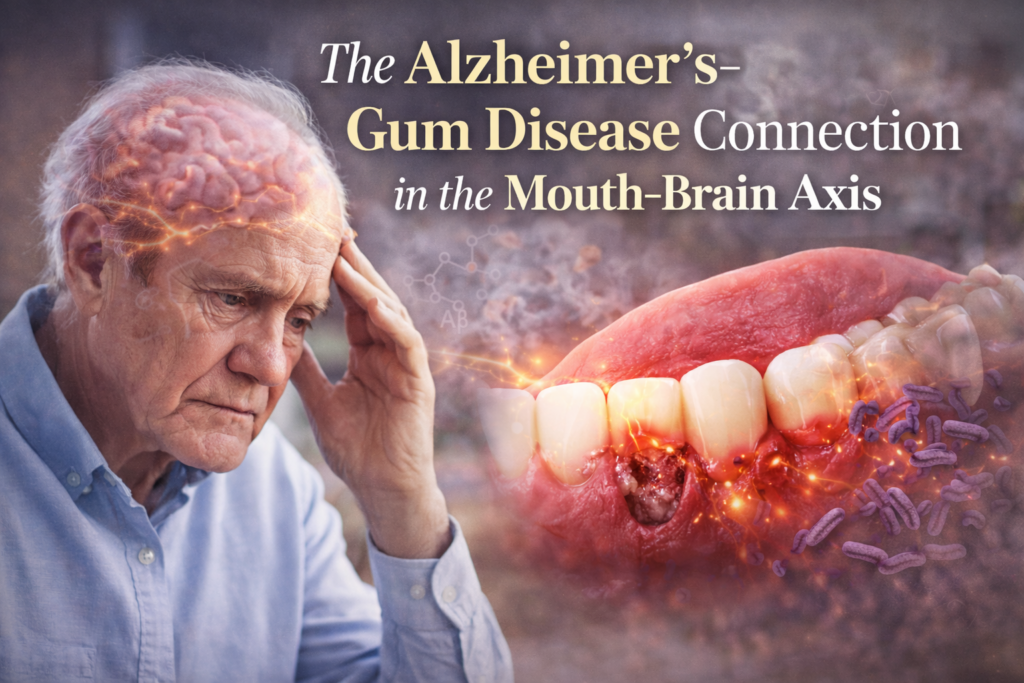
Population studies have consistently identified links between gum disease and Alzheimer’s disease. However, recent research has moved beyond correlation to establish potential causation through the mouth-brain axis. A comprehensive review in IDR analyzed 24 studies confirming that P. gingivalis DNA was present in spinal fluid and saliva of individuals with mild-to-moderate mental impairment clinically diagnosed with probable Alzheimer’s disease.
Furthermore, brain tissue analysis revealed gingipains in the hippocampus—the brain region critical for memory formation and early Alzheimer’s damage. The presence of these oral germs in specific brain regions associated with mental decline provides compelling evidence for the mouth-brain axis as a treatment target.
Importantly, the relationship appears dose-dependent: higher gingipain load correlated with more severe damage. This suggests that reducing oral germ burden through improved hygiene and professional dental care may slow or prevent Alzheimer’s progression by protecting the mouth-brain axis.
Widespread Inflammation: The Invisible Mouth-Brain Axis Link
Beyond direct bacterial invasion, the oral-brain axis operates through widespread inflammation. Chronic gum disease creates a state of constant immune activation, releasing inflammatory proteins including IL-1β, IL-6, TNF-α, and C-reactive protein into the bloodstream.
Research published in Frontiers in Immunology confirms that P. gingivalis-induced gum disease triggers Chronic Low-Grade Inflammatory Response, which speeds aging and brain damage. These inflammatory molecules cross into the brain, activating brain immune cells and creating brain inflammation that damages cells even without direct bacterial presence.
Moreover, widespread inflammation from poor oral health affects other organs before reaching the brain. The liver, pancreas, and heart system all show elevated inflammatory markers in gum disease patients, creating a body-wide burden that amplifies oral-brain axis dysfunction.
Protecting the Mouth-Brain Axis: Practical Strategies
For practitioners and individuals alike, protecting the mouth-brain axis represents a complete approach to brain health. The following evidence-based strategies target both oral and body-wide health:
Optimal Oral Hygiene to Support Brain and Mouth Health
Daily Brushing and Flossing: Remove bacterial films before they mature into disease-causing communities. Brushing twice daily and flossing once daily significantly reduces P. gingivalis growth, protecting the mouth-brain axis.
Professional Cleanings: Regular dental visits (every 3-6 months) remove hardened deposits that harbor bacteria. Professional scaling and deep cleaning can reduce gingipain load and inflammatory markers throughout the body.
Natural Rinses: Antimicrobial mouthwashes containing essential oils can reduce harmful bacteria without disrupting beneficial oral flora that support oral-brain axis balance.
Cellular Detox To Support Mouth-Brain Health
While maintaining oral hygiene prevents new bacterial invasion, addressing existing body-wide germ load requires cellular-level support. SOS Advance Capsules help manage the widespread burden of germs as they travel from the mouth to other organs, including the brain.
By supporting your body’s natural detox pathways, SOS Advance creates an environment less welcoming to chronic bacterial growth. This cellular cleansing addresses not just oral germs but the accumulated toxins that impair immune function and allow P. gingivalis to establish lasting infections affecting brain and mouth health.
Anti-Inflammatory Nutrition to Support Brain and Mouth Health.
Omega-3 Fatty Acids: Fish oil, walnuts, and flaxseeds reduce body-wide inflammation and support brain health. These fats calm the inflammatory response to oral germs, protecting the mouth-brain axis from excessive immune activation.
Polyphenols: Green tea, dark chocolate, and berries contain compounds that slow P. gingivalis growth while reducing inflammation. Regular intake supports both oral and brain health through multiple pathways in the mouth-brain axis.
Vitamin D: Adequate vitamin D levels support immune function and reduce gum disease severity. This vitamin also shows brain-protecting effects, doubly benefiting the mouth-brain axis.
Probiotic Foods: Fermented foods containing beneficial bacteria can help restore oral and gut bacterial balance. This indirectly supports mouth-brain axis health through improved immune regulation.
Body-Wide Support
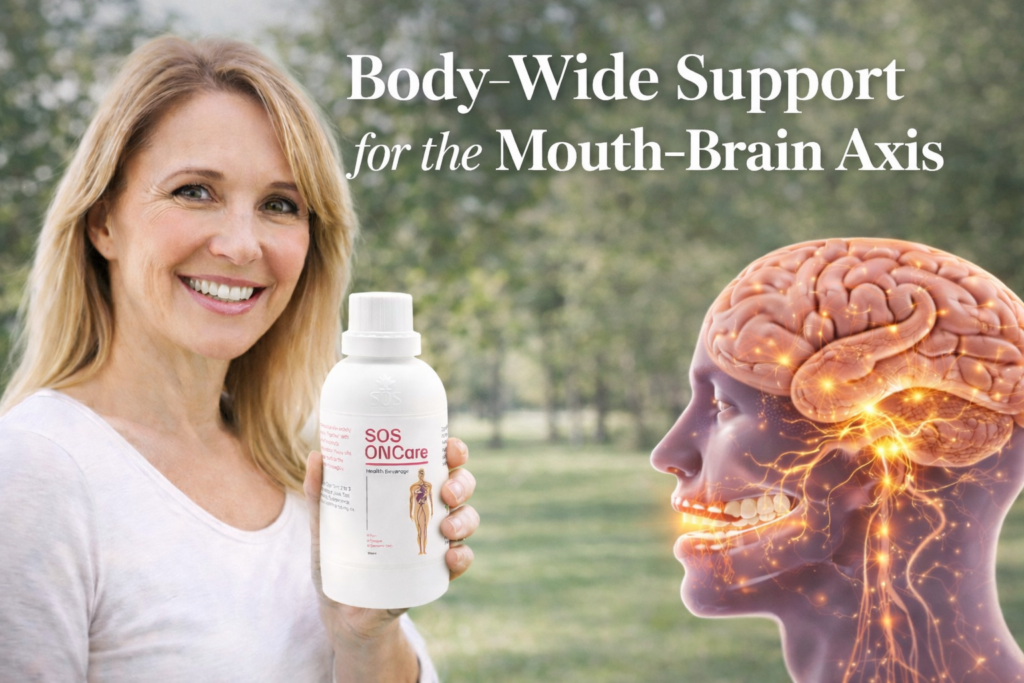
SOS OnCare provides comprehensive anti-inflammatory support through its nano-formulated blend of 14 essential oils. Ingredients like frankincense, myrrh, and turmeric reduce the widespread inflammation generated by gum disease. Meanwhile, chamomile and peppermint support overall immune balance.
By addressing inflammation throughout the body, SOS OnCare protects the blood-brain barrier from the chronic assault of inflammatory proteins. This creates a more resilient oral-brain axis capable of resisting germ invasion and inflammatory damage.
Emerging Treatment Approaches For Better Oral-Brain Health
Recognition of the mouth-brain axis as a disease mechanism has sparked development of novel treatments. Small-molecule gingipain blockers have shown promise in early studies, reducing bacterial load, blocking amyloid-beta production, and rescuing brain cells.
Clinical trials are exploring whether treating gum disease can slow Alzheimer’s progression. Early results suggest that aggressive gum therapy reduces body-wide inflammation and may improve mental function in early-stage patients. These findings validate the mouth-brain axis as a legitimate treatment target.
Furthermore, researchers are investigating whether blocking specific inflammatory pathways activated by oral germs can prevent brain damage. Understanding how the oral-brain axis operates at the molecular level opens new possibilities for prevention and treatment.
The Complete Protocol: Integrating Oral and Brain Health
For practitioners treating mental decline holistically, addressing the mouth-brain axis must become standard practice. This integrated approach includes:
- Comprehensive Oral Assessment: Check gum health as part of brain screening. Refer patients with signs of gum disease for immediate dental care to protect the mouth-brain axis.
- Body-Wide Inflammation Testing: Measure CRP, IL-6, and other inflammatory markers. Elevated levels suggest active mouth-brain axis dysfunction requiring action.
- Cellular Detox: Use protocols with SOS Advance to reduce germ burden while supporting natural detox pathways.
- Anti-Inflammatory Support: Address chronic inflammation with diet changes, targeted supplementation, and formulations like SOS OnCare.
- Lifestyle Optimization: Ensure adequate sleep, stress management, and exercise—all factors that influence both oral health and brain function through the mouth-brain axis.
The Future of Brain Disease Prevention
As research continues revealing the mouth-brain axis, we’re witnessing a major shift in brain disease prevention. No longer can we view brain health separately from oral health—they are intimately connected through bacterial, inflammatory, and immune pathways in the mouth-brain axis.
The implications are profound: simple actions like improved dental hygiene, regular professional cleanings, and body-wide support could dramatically reduce Alzheimer’s risk. For individuals already experiencing mental decline, addressing oral health may slow progression and preserve quality of life through oral-brain axis protection.
Future research will likely identify specific P. gingivalis strains most dangerous for brain invasion, enabling targeted prevention. Additionally, personalized approaches based on individual bacterial makeup and inflammatory status will optimize mouth-brain axis protection.
Conclusion: Guarding Your Brain Through the Oral-Brain Axis
This axis reveals that protecting brain function begins with your teeth and gums. Chronic gum disease isn’t merely a cosmetic concern or minor health issue—it’s a direct pathway for toxic bacteria and inflammatory molecules to reach and damage your brain through the mouth-brain axis.
By maintaining strict oral hygiene, seeking regular professional dental care, and supporting body-wide detox through cellular-level formulas, you’re literally guarding your brain from inflammatory invasion. This complete approach recognizes that optimal brain health requires attention to seemingly unrelated systems, all interconnected through pathways like the mouth-brain axis.
Whether you’re a practitioner using comprehensive brain protocols or an individual seeking to preserve mental function, addressing oral health must be foundational. The evidence is clear: what happens in your mouth doesn’t stay in your mouth through the mouth-brain axis—it can reach your brain and determine your mental future.
The question isn’t whether this matters for brain health—research has confirmed its critical importance. Rather, the question is: when will you begin protecting this vulnerable pathway through informed, intentional oral care and mouth-brain axis support?
Explore more evidence-based wellness insights at the SOS Essentials blog, where we share weekly articles on natural health optimization, cellular wellness, and holistic approaches to preventing chronic disease.
Disclaimer: This information is for educational purposes only and is not intended to diagnose, treat, cure, or prevent any disease. Always consult with a qualified healthcare professional before making changes to your health regimen.