

How Stress Shows Up in Your Body—And the 5-Minute Reset Professionals Actually Use
WWearables have turned “recovery” into a daily score, making HRV explained a critical topic for anyone tracking their health. Heart rate variability has become the most talked-about biomarker in wellness. However, confusion persists about what it actually means and how to improve it without pseudoscience. Indeed, understanding this concept properly transforms it from an abstract metric into a practical tool for managing stress, optimizing performance, and building genuine resilience.
Research published in Medicine International confirms that heart rate variability is a non-invasive biomarker of vagal tone and autonomic flexibility. Moreover, reduced measurements are associated with heart diseases, high blood pressure, inflammation, and mental health disorders. Extensive research supports the effectiveness of biofeedback in improving heart outcomes, managing blood pressure, reducing depression and anxiety symptoms, and fostering resilience. Consequently, all these benefits come through simple paced breathing techniques professionals have used for decades.
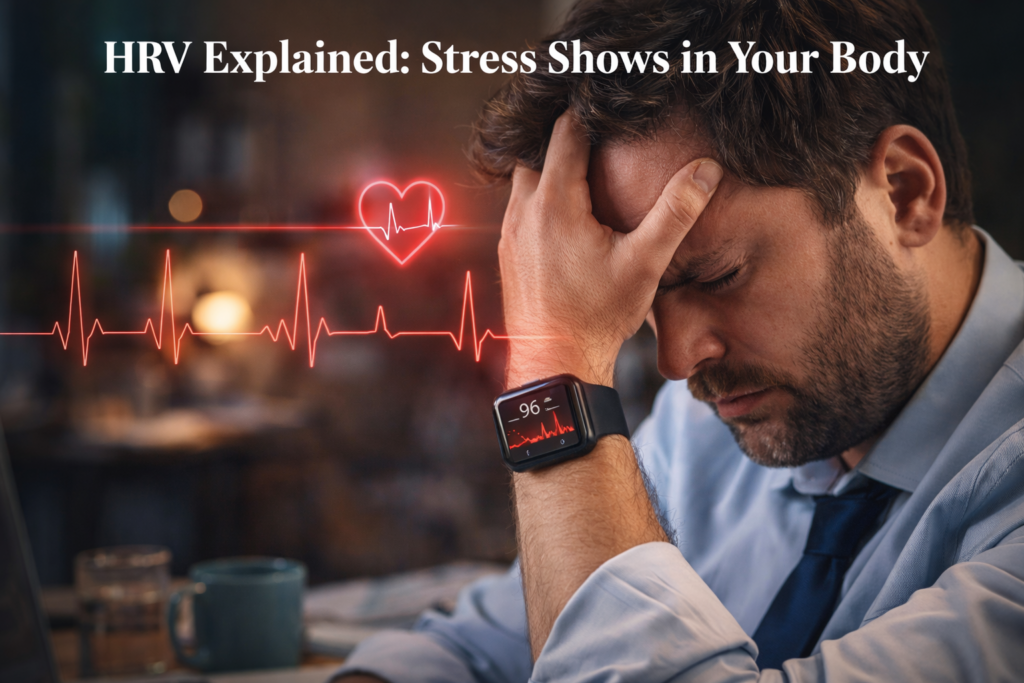
HRV Explained: What Heart Rate Variability Actually Measures
With HRV explained simply, it represents the variation in time intervals between consecutive heartbeats. Contrary to what most people assume, a healthy heart doesn’t beat like a metronome. Instead, it continuously adjusts timing based on breathing, stress levels, recovery status, and autonomic nervous system balance.
Understanding the Basics
When this concept is broken down in practical terms, higher variability generally indicates greater autonomic flexibility and stress resilience. Your heart rate increases slightly during inhalation and decreases during exhalation. Additionally, this phenomenon is called respiratory sinus arrhythmia (RSA). This natural fluctuation reflects healthy vagal tone, meaning your parasympathetic “rest and digest” nervous system is functioning robustly.
What Low Measurements Mean
Conversely, low readings suggest your nervous system is stuck in sympathetic “fight or flight” dominance, unable to flexibly respond to changing demands. This rigidity appears before obvious disease symptoms. Therefore, it serves as an early warning system for chronic stress, burnout, heart risk, and declining health.
The Science Behind Heart Rate Variability
Studies demonstrate that these measurements reflect the interplay between sympathetic and parasympathetic nervous system activity. The autonomic nervous system continuously adjusts heart rate based on internal and external demands. Specifically, it accelerates for action and decelerates for rest. When properly balanced, this system enables rapid adaptation to stress followed by swift recovery.
Time Domain Measures
SDNN (standard deviation of normal-to-normal intervals) represents overall variability. Meanwhile, RMSSD (root mean square of successive differences) reflects parasympathetic activity. Higher values indicate better autonomic function.
Frequency Domain Measures
High frequency (HF) power reflects parasympathetic activity linked to breathing. In contrast, low frequency (LF) power represents both sympathetic and parasympathetic influences. The LF/HF ratio provides insight into autonomic balance.
Coherence Patterns
Coherence occurs when heart rate, blood pressure, and breathing synchronize rhythmically. Research analyzing 1.8 million user sessions found coherence linked to improved emotional stability and cognitive function. Notably, the most common coherence frequency is at 0.10 Hz (6 breaths per minute).
Understanding these metrics properly helps interpret wearable data meaningfully rather than obsessing over arbitrary scores.
HRV Explained: Common Misconceptions Debunked
Despite popularity, numerous myths persist. Getting accurate information requires dispelling these misconceptions:
Myth 1: Higher Is Always Better
While generally true, readings must be interpreted contextually. Elite athletes sometimes show temporarily lowered measurements during training peaks. Additionally, certain medications, pacemakers, and medical conditions artificially suppress readings regardless of health status.
Myth 2: Low Readings Mean You’re Sick
A single low reading doesn’t indicate disease. Variability fluctuates naturally based on sleep quality, stress, caffeine intake, alcohol consumption, recent exercise, and time of day. Consequently, trends over weeks matter more than daily variations.
Myth 3: Wearables Provide Perfect Accuracy
Most consumer wearables estimate measurements from optical sensors, which can introduce measurement errors. While useful for tracking trends, they shouldn’t replace medical-grade assessments for clinical decisions. Therefore, use them as guides, not absolutes.
Myth 4: You Can’t Improve Your Readings
Perhaps the most damaging misconception—variability is highly trainable through specific interventions. Particularly, biofeedback and paced breathing techniques show remarkable results in research.
HRV Explained: Research on Biofeedback Effectiveness
The most compelling evidence for improvement comes from biofeedback studies. Research published in MDPI involving breast cancer survivors demonstrated that 4 weeks of smartphone-based biofeedback (paced breathing at 6 breaths per minute) significantly increased low-frequency measurements. Furthermore, it produced long-lasting improvements in sleep quality, anxiety, perceived stress, post-traumatic stress, cognitive function, and fatigue. These benefits remained at 6-month follow-up.
Cardiac Arrest Survivors Study
Similarly, a pilot trial with cardiac arrest survivors found that remote biofeedback intervention achieved 90% acceptability and feasibility. Moreover, trait anxiety decreased significantly before and after intervention. These findings confirm that measurements represent more than just data—they’re a modifiable biomarker improved through simple daily practice.
Randomized Controlled Studies
Controlled studies conclude that 20 minutes of resonance frequency breathing daily for four weeks leads to positive changes. Specifically, this includes increased parasympathetic and decreased sympathetic activity. Additionally, participants showed improved cognition and reduced perceived stress. This makes biofeedback one of the most accessible, evidence-based interventions for autonomic regulation.
The 5-Minute Reset: Breathwork Professionals Use
With the concept understood practically, the most effective intervention is resonance frequency breathing—a specific paced breathing technique that maximizes variability and vagal tone. Professionals from athletes to executives use this science-backed method for rapid stress reduction and performance optimization.
Finding Your Resonance Frequency
Most adults resonate at 5-7 breaths per minute (approximately 0.1 Hz). The most common optimal frequency is 6 breaths per minute: 5-second inhale, 5-second exhale. However, some individuals may need slight adjustments (4.5-6.5 breaths per minute).
Diaphragmatic Breathing Technique
Place one hand on your stomach. Breathe deeply into your belly, allowing it to expand on inhale and contract on exhale. Minimize upper chest movement—this activates the diaphragm and vagus nerve maximally. Consequently, this creates the strongest response.
Using a Pacer
Apps like Elite HRV provide visual pacing to maintain consistent rhythm. Follow the expanding circle: breathe in as it grows, breathe out as it shrinks. This ensures precise frequency maintenance. Therefore, results are optimized.
Practice Consistently
Even 5 minutes daily produces measurable benefits. Research shows that consistent practice enhances baroreflex sensitivity, improves autonomic balance, reduces systemic inflammation, and enhances emotional regulation. Moreover, effects persist even without ongoing biofeedback.
Monitor Progress
Track trends over weeks using your wearable. Look for gradual increases in average measurements and faster recovery after stressful events. However, don’t obsess over daily fluctuations—trends matter more.
HRV Explained: Why This Breathing Method Works
Breathing at resonance frequency synchronizes heart rate, blood pressure, and respiration rhythms. This alignment maximizes respiratory sinus arrhythmia (RSA) and stimulates the baroreflex—your body’s blood pressure regulation system. Studies confirm this produces immediate, large-scale increases in baroreflex gain. Additionally, benefits persist over time with continued practice.
Anti-Inflammatory Effects
Resonance breathing activates the cholinergic anti-inflammatory pathway. Pilot research shows biofeedback at resonance frequency significantly reduced C-reactive protein (CRP) levels. Notably, this is a marker of systemic inflammation—compared to usual breathing rates. This explains why the practice addresses far more than stress: it impacts total-body inflammation driving chronic disease.
HRV Explained: What Wearables Can Tell You

Modern wearables have made tracking accessible. However, understanding their limitations ensures proper interpretation:
Trends Over Time
Weekly and monthly averages reveal whether your lifestyle supports or undermines autonomic health. Improving trends indicate successful interventions. Meanwhile, declining trends signal need for change.
Recovery Status
Lower-than-average morning readings suggest incomplete recovery from exercise, stress, illness, or poor sleep. This guides training intensity and stress management decisions. Therefore, listen to your body’s signals.
Stress Accumulation
Consistently suppressed measurements over days to weeks indicate chronic stress burden requiring intervention before symptoms appear. Consequently, early action prevents bigger problems.
Intervention Effectiveness
Track changes after implementing breathwork, meditation, improved sleep, dietary changes, or cellular support. This objectively measures what works for you. As a result, you can refine your approach.
What Wearables Cannot Tell You
Clinical Diagnosis: Measurements cannot diagnose specific diseases. Persistently low readings warrant medical evaluation. However, wearables don’t replace professional assessment.
Precise Mechanisms: Lower readings could reflect inadequate sleep, overtraining, nutritional deficiencies, inflammation, chronic stress, or underlying illness. Context and additional data determine causation. Therefore, consider the whole picture.
Absolute Comparisons: Your optimal level differs from others based on age, genetics, fitness level, and health status. Compare your current readings to your baseline, not to population averages or friends’ scores.
Perfect Accuracy: Optical sensors measuring pulse at the wrist introduce error. While adequate for trend tracking, they’re less precise than medical-grade ECG measurements. Consequently, focus on patterns, not individual numbers.
HRV Explained: Lifestyle Factors Affecting Measurements
Understanding how daily habits impact autonomic function is crucial:
Sleep Quality Impact
Poor or insufficient sleep devastates readings. Research shows that biofeedback produces long-lasting sleep quality improvements. Conversely, inadequate sleep suppresses measurements regardless of other interventions. Therefore, prioritize rest.
Stress Management
Chronic stress keeps nervous system locked in sympathetic dominance, suppressing variability. Regular breathwork, meditation, and stress-reduction practices gradually restore balance. Consequently, resilience improves over time.
Exercise Effects
Moderate regular exercise improves readings long-term. However, intense training temporarily suppresses them—athletes monitor this for overtraining prevention. Balance is key for optimal results.
Nutrition Influence
Inflammatory foods, excessive alcohol, and blood sugar instability reduce measurements. In contrast, anti-inflammatory nutrition, stable glucose, and adequate hydration support autonomic function. Therefore, diet matters significantly.
Cellular Stress Load
Accumulated toxins, chronic inflammation, and oxidative stress burden cells, suppressing readings regardless of behavioral interventions. This is where cellular-level support becomes essential for comprehensive improvement.

HRV Explained: Cellular Support for Optimization
While breathwork and lifestyle modifications improve variability, addressing cellular stress load accelerates progress. When cells are burdened with toxins and inflammation, autonomic nervous system function remains compromised regardless of behavioral interventions.
Deep Cellular Cleansing
SOS Advance supports optimization by helping eliminate accumulated toxins that create cellular stress. This deep detoxification reduces the inflammatory burden suppressing vagal tone. Consequently, breathwork and lifestyle interventions work more effectively.
Think of cellular support as creating a foundation for improvement. Without it, you’re fighting against constant toxin accumulation and inflammation. Indeed, it’s like trying to fill a leaky bucket. By addressing cellular stress load, you create conditions where autonomic nervous system can respond optimally to training.
Anti-Inflammatory Support
Additionally, SOS OnCare provides anti-inflammatory support through nano-formulated essential oils. Ingredients include turmeric, frankincense, and chamomile. Since research confirms that biofeedback modulates the cholinergic anti-inflammatory pathway and reduces markers like CRP and TNF-α, combining breathwork with cellular anti-inflammatory support creates synergistic benefits.
Building a Daily Practice
Transforming data into a health tool requires consistent practice. The most successful approach combines multiple evidence-based interventions:
Morning Ritual
Check morning readings upon waking (before getting out of bed). Note any significant deviations from baseline. Then, perform 5 minutes of resonance frequency breathing (6 breaths/minute). This sets parasympathetic tone for the day ahead.
Midday Reset
When stress accumulates, use 3-5 minutes of paced breathing. This prevents sympathetic dominance from becoming entrenched. It’s particularly valuable before challenging meetings or decisions. Therefore, build it into your schedule.
Evening Wind-Down
Practice 10-20 minutes of resonance breathing before bed. Additionally, take SOS OnCare for anti-inflammatory sleep support. This facilitates transition into restorative sleep. Consequently, recovery improves overnight.
Weekly Review
Analyze trends over the past week. Identify correlations with sleep, stress, nutrition, exercise. Adjust interventions based on what your data reveals. Consider periodic cellular detoxification with SOS Advance. Therefore, you continuously optimize.
HRV Explained: Different Populations and Measurements
Recognizing how readings vary across populations is important:
Athletes
Use data to prevent overtraining and optimize performance. Lower-than-baseline measurements suggest inadequate recovery. Therefore, delay high-intensity training until normalization occurs.
Professionals
Monitor to manage work stress and prevent burnout. Declining measurements over weeks signal need for stress management intervention. Act before productivity and health suffer significantly.
Chronic Illness
Many conditions suppress readings. Track interventions’ effectiveness objectively through improvements alongside symptom changes. This provides valuable feedback for treatment adjustments.
Aging
Measurements naturally decline with age. However, lifestyle interventions slow this decline significantly. Regular breathwork and stress management maintain autonomic flexibility despite aging. Therefore, proactive practices matter.
HRV Explained: Beyond the Score, Self-Awareness Tool
Perhaps the greatest value isn’t the number itself—it’s the awareness it cultivates. Tracking teaches you to notice how different activities, foods, stressors, and recovery practices affect your autonomic nervous system.
This feedback loop creates behavior change impossible through willpower alone. When you see concrete evidence that poor sleep crashes your readings, you prioritize rest. When breathwork demonstrably improves your score, you practice consistently. When cellular support accelerates recovery, you maintain it. Therefore, objective data drives sustainable change.
Measurements transform abstract health concepts into measurable reality. Consequently, this makes the invisible visible and the intangible tangible.
Conclusion: A Practical Resilience Tool
Understanding this biomarker properly transforms wearable data from arbitrary scores into actionable health insights. Heart rate variability reveals autonomic nervous system balance, stress accumulation, recovery status, and resilience capacity. Importantly, all are modifiable through evidence-based interventions.
The 5-minute reset professionals use—resonance frequency breathing at approximately 6 breaths per minute—provides one of the most accessible, effective interventions. Moreover, it improves readings, reduces stress, enhances recovery, and builds genuine resilience. Combined with cellular support addressing inflammation and toxin burden, this creates comprehensive autonomic optimization.
Whether you’re an athlete optimizing performance, a professional managing stress, or simply someone seeking better health, these measurements offer a window into your body’s stress response and recovery capacity. More importantly, they provide real-time feedback showing whether your interventions work. Therefore, this removes guesswork from health optimization.
Your wearable can’t diagnose disease or replace medical care. However, with proper understanding, it becomes a powerful tool for self-awareness, behavior change, and resilience building. The question isn’t whether your score is “good”—it’s whether you’re using this biomarker to guide meaningful improvements in stress management, recovery, and long-term health.
Discover more evidence-based wellness strategies at the SOS Essentials blog, where we share weekly insights on natural health optimization, cellular wellness, and practical approaches to building genuine resilience.
Disclaimer: This information is for educational purposes only and is not intended to diagnose, treat, cure, or prevent any disease. Always consult with a qualified healthcare professional before making changes to your health regimen.