

Published: 21 July 2026 | Focus: Natural Heart Health | Reading time: 13 minutes | Category: Natural Health and Cardiovascular Wellness
Heart disease is England’s leading cause of premature death. On 7 July 2026, the UK Government launched its official Cardiovascular Disease Modern Service Framework, committing to cut premature heart deaths by 25% over the next decade. Parliament debated the crisis just days earlier. Furthermore, the British Heart Foundation confirmed that 7.6 million people in the UK are currently living with heart and circulatory disease. What is most striking about these numbers is this: the Government’s own framework states that 70% of cardiovascular disease is preventable. Preventing it depends on addressing the same underlying factors that natural heart health approaches target inflammation, blood pressure, cholesterol balance, gut health, and lifestyle. Consequently, this guide explains the biology of a healthy heart, identifies the preventable risk factors, and shows how botanical science, diet, and daily habits can provide genuine support.
In This Article
- The UK cardiovascular crisis — what happened in July 2026
- How the heart works and what disrupts it
- The four main risk factors for heart disease in England
- The inflammation-heart disease connection
- The gut-heart connection — why the microbiome affects your cardiovascular system
- The essential oil and botanical science behind natural heart support
- SOS Advance — alkaline botanical support for natural heart health
- Natural heart health diet — what to eat and what to remove
- Lifestyle habits with the strongest cardiovascular evidence
- SOS Maintain — daily blood and gut balance for heart health
- Your natural heart health daily protocol
- Frequently asked questions about natural heart health
- Trusted sources and further reading
1. The UK Cardiovascular Crisis: What Happened in July 2026 {#crisis}
The launch of the UK Government’s Cardiovascular Disease Modern Service Framework on 7 July 2026 marked a significant moment for public health in England. It followed years of campaigning by the British Heart Foundation through its Hearts Need More initiative. Furthermore, it came after Parliament debated the issue directly on 2 July 2026, with a Westminster Hall session dedicated to reducing premature deaths from heart disease and stroke.
What the framework says
According to the official Government press release published on 7 July 2026, the framework sets out 12 immediate priorities over three years. It targets better prevention, earlier diagnosis, faster treatment, and more consistent care across England. Specifically, the Government’s stated ambition is to reduce premature deaths from heart disease and stroke by 25% within a decade.
Additionally, the framework launched a new partnership with Diabetes UK. As confirmed in the press release, this partnership will raise awareness of the links between type 2 diabetes and cardiovascular disease. People living with diabetes or pre-diabetes carry a significantly higher risk of heart attack and stroke. Consequently, metabolic health and cardiovascular wellness are now officially understood as inseparable.
Why 70% of cardiovascular disease is preventable
The most important statistic in the framework is this: 70% of cardiovascular disease is linked to preventable risk factors. These include high blood pressure, high cholesterol, smoking, physical inactivity, poor diet, excess weight, and chronic inflammation. Moreover, as the British Heart Foundation confirmed following the launch, every one of these risk factors responds to lifestyle, dietary, and natural intervention.
This means that the conversation about botanical cardiovascular support is not fringe wellness. On the contrary, it is the central recommendation of England’s own public health strategy.
2. How the Heart Works and What Disrupts It {#how-heart-works}
Understanding what the heart needs to function well makes the natural approach far clearer.
The cardiovascular system in plain terms
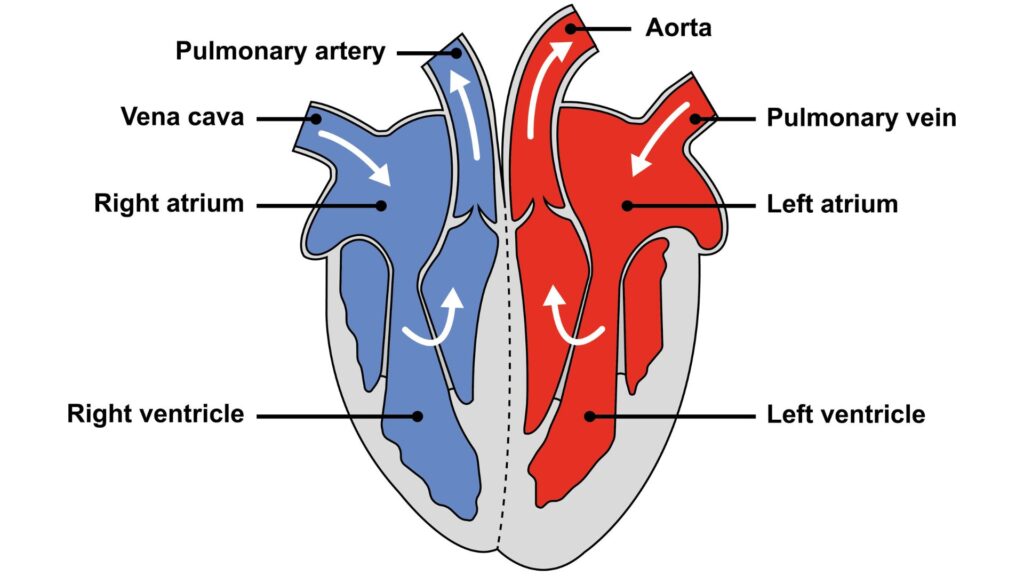
The heart is a muscle. It beats approximately 100,000 times every day, pumping blood through 60,000 miles of blood vessels. Consequently, blood carries oxygen and nutrients to every cell in the body. It also carries away waste products. When this system works well, every organ operates efficiently. However, when it is disrupted, the consequences appear across the entire body, not just in the heart itself.
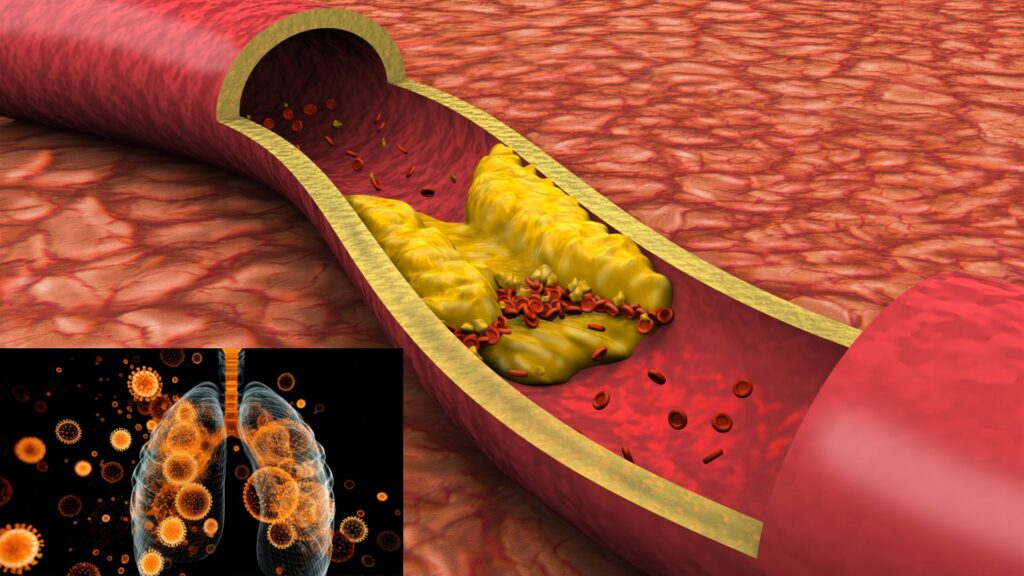
The most common form of disruption is atherosclerosis. This is the gradual build-up of fatty plaques inside arterial walls. Over time, these plaques narrow the vessels, restricting blood flow. As the House of Lords Library confirms in its cardiovascular disease briefing, atherosclerosis underlies most heart attacks, many strokes, and a significant proportion of heart failure cases. Consequently, preventing plaque formation is the single most important priority in cardiovascular health maintenance.
What drives plaque formation
Plaque formation is not simply caused by dietary fat, as was once believed. Modern research consistently identifies chronic low-grade inflammation as the key driver. Inflammation damages the arterial wall lining, the endothelium. Consequently, this damage allows plaque to form and accumulate. Furthermore, oxidative stress, elevated blood sugar, high homocysteine levels, and gut microbiome imbalance all contribute to this inflammatory process.
In other words, supporting the cardiovascular system naturally is fundamentally about reducing inflammation, oxidative stress, and metabolic disruption at the cellular level.
3. The Four Main Risk Factors for Heart Disease in England {#risk-factors}
The Government framework identifies four primary modifiable risk factors for cardiovascular disease in England. Each one responds directly to natural lifestyle and dietary intervention.
High blood pressure: the silent threat
High blood pressure affects one in three adults in England. It rarely causes symptoms. However, it places relentless strain on arterial walls, damaging the endothelium and accelerating plaque formation. As Vitmax UK’s expert heart supplement guide confirms, omega-3 fatty acids, garlic allicin, and magnesium are among the most clinically studied natural compounds for blood pressure support. Furthermore, reducing sodium, managing stress, and increasing potassium through diet produce measurable reductions in blood pressure within weeks. Notably, these are all accessible without prescription.
High cholesterol; a balance, not a number
Cholesterol is not inherently harmful. The body produces it and uses it to build cell membranes, produce hormones, and synthesise vitamin D. The problem arises when the balance between LDL cholesterol, which can contribute to plaque formation and HDL cholesterol which helps transport LDL away from arteries is disrupted. As Bolt Pharmacy UK’s evidence-based guide confirms, plant sterols, omega-3 fatty acids, and soluble fibre have robust clinical evidence for improving cholesterol balance. Moreover, each of these is accessible through diet and botanical supplementation.
Chronic inflammation: the hidden driver
Of all the cardiovascular risk factors, chronic low-grade inflammation is the least discussed yet perhaps the most significant. As established in our silent inflammation guide, this persistent immune response damages blood vessel walls, drives plaque instability, and increases the risk of acute cardiovascular events. Additionally, it responds directly to alkaline body chemistry, anti-inflammatory botanical compounds, and gut microbiome support the exact mechanisms addressed by SOS Advance.
Blood sugar instability and insulin resistance
The link between blood sugar and heart disease is now formally recognised in the Government framework through its Diabetes UK partnership. As confirmed in our natural metabolic support guide, insulin resistance drives inflammation, damages arterial walls, raises triglycerides, and lowers protective HDL cholesterol. Consequently, managing blood sugar naturally is one of the most direct routes to supporting cardiovascular health long-term.
4. The Inflammation-Heart Disease Connection {#inflammation}
Of all the mechanisms linking lifestyle to cardiovascular risk, inflammation is the most important to understand for anyone pursuing natural heart health.
How inflammation damages blood vessels
The arterial endothelium, the thin inner lining of blood vessels is exquisitely sensitive to inflammatory signals. When circulating inflammatory markers such as C-reactive protein (CRP) and interleukin-6 are chronically elevated, they damage this lining. As a result, the vessel wall becomes more permeable. LDL cholesterol penetrates and oxidises. Immune cells rush in to deal with the oxidised cholesterol. Consequently, plaque begins to form. Furthermore, the plaque itself becomes inflammatory. Over time, it can rupture, triggering a blood clot that causes a heart attack or stroke.
What drives the inflammatory signal
The same factors that drive silent inflammation also drive cardiovascular inflammation. These include a diet high in ultra-processed foods and refined sugar, chronic psychological stress, sleep deprivation, gut microbiome imbalance, physical inactivity, and environmental toxin exposure. Notably, none of these are genetic. They are all, in principle, modifiable. Therefore, they all represent genuine opportunities for natural intervention.
Why alkaline body chemistry matters for heart health
Acidic body chemistry, created by processed food, alcohol, stress, and metabolic dysfunction amplifies inflammatory signalling throughout the cardiovascular system. By contrast, an alkaline internal environment reduces the production of pro-inflammatory cytokines, supports endothelial function, and improves the conditions in which the heart and blood vessels operate. This is the direct mechanism through which alkaline botanical supplementation supports natural heart health.
5. The Gut-Heart Connection: Why the Microbiome Affects Your Cardiovascular System {#gut-heart}
The relationship between gut health and heart health is one of the most significant discoveries in modern cardiovascular research. Indeed, understanding it changes how we think about prevention.
TMAO and the gut-heart link
When certain gut bacteria metabolise specific dietary, compounds particularly those found in red meat and eggs, they produce a substance called trimethylamine N-oxide, or TMAO. Elevated TMAO levels are associated with increased cardiovascular risk. As AromaTools’ cardiovascular research review confirms, microbiome composition directly influences cardiovascular outcomes. In other words, the bacteria in your gut determine, in part, how your heart fares.
Gut dysbiosis and systemic inflammation
When the gut microbiome is disrupted through poor diet, antibiotics, candida overgrowth, or stress, it drives systemic inflammation through the gut-immune axis. This inflammatory signal travels directly to the cardiovascular system. Consequently, every step taken to restore gut microbiome balance simultaneously reduces cardiovascular inflammatory burden.
Why this matters for natural heart health
Supporting gut health is therefore not an indirect or peripheral approach to cardiovascular wellness. It is one of the most direct and evidence-based routes to reducing the chronic inflammation that drives heart disease. For a deeper understanding of how gut imbalance drives inflammation, read our candida natural cleanse guide.
6. The Essential Oil and Botanical Science Behind Natural Heart Support {#botanicals}
There is a substantial body of research supporting specific botanical compounds for cardiovascular health. These are not anecdotal claims. They are findings published in peer-reviewed journals and confirmed by clinical trials.
Clove: antioxidant protection for arterial walls
Clove possesses one of the highest antioxidant ORAC values of any plant substance. This antioxidant activity directly counters the oxidative stress that damages arterial walls and initiates plaque formation. Furthermore, clove’s eugenol content has demonstrated anti-inflammatory effects that protect endothelial cells from inflammatory damage. As a result, it is among the most relevant botanicals for cardiovascular protection. As Medical News Today’s essential oil cardiovascular review confirms, clove is among the botanicals with documented cardiovascular relevance.
Frankincense: anti-inflammatory vascular protection
Boswellic acids in frankincense directly inhibit the inflammatory enzymes that damage arterial tissue. Specifically, they block 5-lipoxygenase, the enzyme responsible for producing leukotrienes, which are potent drivers of vascular inflammation. Consequently, frankincense provides one of the most targeted natural anti-inflammatory mechanisms relevant to cardiovascular health. Furthermore, it complements clove’s antioxidant action by addressing the inflammatory pathway that antioxidants alone cannot reach.
Cinnamon: blood sugar and cardiovascular risk reduction
Cinnamon improves insulin sensitivity and moderates post-meal blood sugar spikes. Both effects directly reduce cardiovascular risk. As Vitmax UK’s heart supplement guide confirms, blood sugar instability is a primary driver of triglyceride elevation and HDL reduction, two major cardiovascular risk factors. Consequently, by stabilising blood glucose, cinnamon addresses these risks at their metabolic root. In addition, its warming properties support peripheral circulation.
Black Seed (Nigella sativa): multi-pathway cardiovascular support
Thymoquinone in black seed has demonstrated blood pressure-lowering, cholesterol-improving, and anti-inflammatory effects across multiple clinical studies. It is among the most extensively studied natural compounds for cardiovascular benefit, particularly in populations with metabolic risk factors. Furthermore, its antioxidant activity provides additional protection. Consequently, it addresses the oxidative processes that drive atherosclerosis from multiple directions.
Oregano: gut microbiome restoration
Oregano essential oil addresses gut dysbiosis, restoring the microbiome balance that prevents the production of cardiovascular-harmful metabolites like TMAO. Additionally, AromaTools’ research review confirms oregano’s anti-inflammatory and antioxidant properties. Consequently, oregano contributes to natural heart health both directly and through gut-mediated mechanisms.
Garlic: allicin and blood pressure
Garlic allicin promotes vasodilation, the widening of blood vessels by stimulating nitric oxide production. As Bolt Pharmacy UK’s evidence-based guide confirms, aged garlic extract lowers both blood pressure and total cholesterol in clinical settings. Moreover, its allicin content specifically inhibits the platelet aggregation that can lead to arterial clotting. Therefore, garlic addresses cardiovascular risk through at least three independent mechanisms.
Coconut: medium-chain triglycerides and energy metabolism
Coconut medium-chain triglycerides (MCTs) are processed directly by the liver as a clean energy source. Unlike long-chain fats, they do not contribute to arterial plaque formation. Furthermore, MCTs have been shown to raise HDL cholesterol; the protective form, while supporting the metabolic efficiency that reduces cardiovascular strain. In addition, the coconut base provides caprylic acid, which restores the gut microbiome balance that the gut-heart connection depends on.
7. SOS Advance: Alkaline Botanical Support for Natural Heart Health {#sos-advance}
Every botanical compound identified above is present within SOS Advance. Together with seven additional essential oils, a coconut base, and a pH 10.5 alkaline formula, they deliver natural heart health support from multiple evidence-based directions simultaneously.
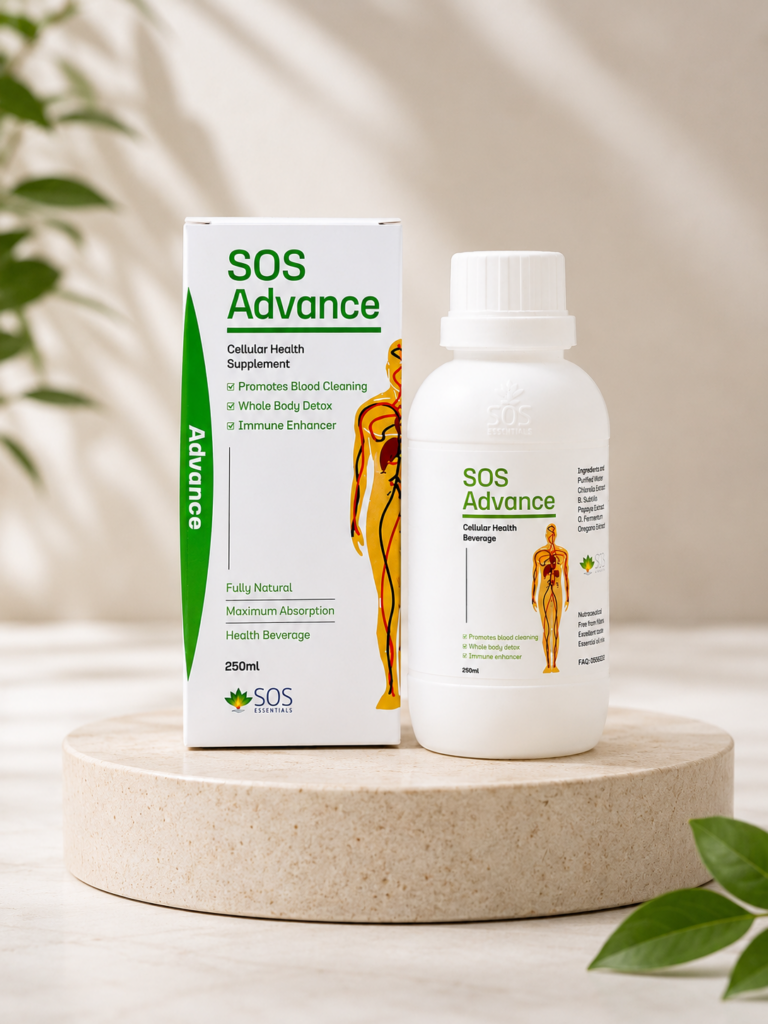
Price: £31.95 | Shop SOS Advance, Natural Heart Health Support | Learn More on Our Health Hub
How SOS Advance supports natural heart health
SOS Advance is a natural organic botanical beverage made with coconut and 14 carefully selected essential oils at a pH of 10.5. Each component contributes to natural heart health through a distinct and clinically supported mechanism.
PH 10.5: alkaline chemistry for cardiovascular protection
Acidic body chemistry amplifies the inflammatory signals that damage arterial walls. SOS Advance’s pH of 10.5 directly counters this acidic internal environment. As AANMC’s alkaline diet research confirms, restoring alkalinity reduces inflammatory markers, supports endothelial function, and improves the cellular conditions in which cardiovascular health depends. This is the most immediate and measurable shift that alkaline botanical supplementation provides.
Anti-inflammatory essential oil combination
Clove, frankincense, oregano, and black seed work together within the formula to inhibit the inflammatory pathways that drive atherosclerosis. Furthermore, peppermint and cinnamon contribute vasodilatory and blood-sugar-stabilising effects. Consequently, the combined botanical action addresses multiple cardiovascular risk factors simultaneously rather than targeting a single mechanism.
Antifungal and antiparasitic gut restoration
SOS Advance’s antifungal and antiparasitic properties delivered through oregano, clove, and the coconut-derived caprylic acid, restore the gut microbiome balance that prevents harmful cardiovascular metabolites from accumulating. In other words, it addresses the gut-heart connection at its biological root.
Nano-technology delivery: reaching the cellular level
SOS Advance uses nano-technology to break its active botanical ingredients into nano-particle size. As a result, they pass directly through cell membranes and act at the cellular level at the endothelial cells, immune cells, and metabolic cells where cardiovascular health is ultimately determined. This depth of delivery goes beyond what any standard herbal capsule or tea can achieve.
SOS Advance: cardiovascular support key benefits
- Clove essential oil — antioxidant protection for arterial endothelium
- Frankincense essential oil — targeted anti-inflammatory vascular protection
- Cinnamon essential oil — blood sugar and triglyceride support
- Black seed essential oil — blood pressure and cholesterol support
- Oregano essential oil — gut microbiome restoration reducing cardiovascular metabolites
- Coconut base with MCTs — clean energy, HDL support, caprylic acid for gut balance
- Alkaline pH 10.5 — counters the acidic environment that drives cardiovascular inflammation
- Nano-technology delivery — botanical action at the endothelial and cellular level
- 100% natural, organic, non-toxic, carcinogen-free, vegan
- UK-manufactured, GMP-certified, ISO 9001 accredited
Heart health tip: Take SOS Advance every morning on an empty stomach. This gives the alkaline formula maximum contact with the gut lining where cardiovascular-protective metabolites are produced and inflammatory signals originate. Consistency over 8 to 12 weeks produces the most meaningful results.
8. A Heart-Supporting Diet: What to Eat and What to Remove {#diet}
Diet is the most powerful single modifiable factor in cardiovascular health. The evidence on this is consistent, deep, and spans decades of peer-reviewed research.
Foods with the strongest cardiovascular evidence
According to Vitmax UK’s expert heart health supplement guide and Bolt Pharmacy’s evidence-based cardiovascular review, these foods have the most robust clinical support for natural heart health:
- Oily fish: salmon, mackerel, sardines, and herring; omega-3 EPA and DHA reduce triglycerides by 25 to 30%, lower blood pressure, and reduce inflammatory markers
- Garlic: allicin promotes vasodilation, lowers blood pressure, and supports healthy cholesterol balance; effective both raw and as aged garlic extract
- Dark leafy greens: kale, spinach, and watercress; rich in nitrates that support nitric oxide production and vasodilation, plus Vitamin K for arterial calcium management
- Oats and barley: beta-glucan soluble fibre lowers LDL cholesterol by binding it in the gut before absorption; one of the most evidence-backed dietary interventions for cholesterol
- Berries: blueberries, raspberries, and pomegranate; polyphenols reduce oxidative stress and improve endothelial function; additionally, they support beneficial gut bacteria
- Olive oil: oleocanthal has documented anti-inflammatory properties; oleic acid supports HDL cholesterol; choose extra virgin cold-pressed
- Nuts: particularly walnuts (omega-3), almonds (Vitamin E), and Brazil nuts (selenium); all reduce LDL oxidation and cardiovascular inflammation
- Turmeric with black pepper: curcumin reduces CRP and other inflammatory markers; black pepper increases bioavailability by up to 2,000%
- Dark chocolate (over 70% cocoa): flavanols improve endothelial function and reduce blood pressure; moderation is key
Remove these cardiovascular disruptors
The same body of research identifies these as primary drivers of cardiovascular risk. Removing them is therefore as important as adding the protective foods above:
- Trans fats and hydrogenated oil: the most pro-inflammatory dietary compounds; raise LDL, lower HDL, and damage endothelial tissue
- Refined sugar and high-fructose corn syrup: drive triglyceride elevation, insulin resistance, and visceral fat accumulation all direct cardiovascular risk factors
- Excess sodium from processed foods: elevates blood pressure; the majority comes not from the salt shaker but from processed and packaged foods
- Alcohol in excess: raises blood pressure, triggers atrial fibrillation, and increases inflammatory markers
- Ultra-processed foods: associated with elevated cardiovascular mortality in multiple large cohort studies; consequently, removing the majority from the diet produces measurable benefits

9. Lifestyle Habits With the Strongest Cardiovascular Evidence {#habits}
Food and botanical supplementation address the biochemical dimension of heart health. However, three lifestyle pillars have equally powerful and well-documented effects on cardiovascular outcomes.
Physical activity: the most potent single intervention
Regular physical activity improves every measurable cardiovascular marker. It lowers blood pressure, raises HDL cholesterol, reduces inflammatory markers, improves insulin sensitivity, supports healthy weight, and strengthens the heart muscle itself.
The most effective movement patterns for natural heart health are:
- 150 minutes of moderate-intensity activity per week, brisk walking, cycling, or swimming as recommended by both the NHS and the Government’s 10-Year Health Plan
- Resistance exercise two to three times per week builds muscle mass, which directly improves metabolic and cardiovascular function
- Breaking up sedentary time, standing or moving every 45 to 60 minutes reduces the inflammatory effects of prolonged sitting
Sleep: the overnight cardiovascular repair window
Poor sleep quality is an independent and significant cardiovascular risk factor. As the State of UK Health 2026 report confirms, sleep-related searches have surged 900% year-on-year in the UK. This reflects a genuine population-level sleep crisis. During sleep, blood pressure drops, the heart rate slows, and inflammatory repair processes run at their highest rate. Consequently, consistently poor sleep prevents this repair cycle from completing. Over time, it raises the baseline cardiovascular risk level.
For a deeper guide to natural sleep support, read our natural sleep remedies guide.
Stress: the cortisol-cardiovascular pathway
Chronic psychological stress raises cortisol. Sustained cortisol elevation raises blood pressure, increases blood sugar, drives abdominal fat accumulation, and promotes systemic inflammation. All four outcomes are direct cardiovascular risk factors. Furthermore, stress-driven behaviours; poor sleep, comfort eating, increased alcohol use, and physical inactivity compound each risk further.
Managing stress actively is therefore not a soft lifestyle choice. It is a direct cardiovascular intervention. Even five minutes of slow breathing; four counts in, hold for two, six counts out measurably reduces cortisol and activates the parasympathetic nervous system that supports cardiovascular recovery.
10. SOS Maintain: Daily Blood and Gut Balance for Heart Health {#sos-maintain}
Sustained natural heart health requires consistent daily support for the gut microbiome, blood cleanliness, and systemic inflammation management. That is the specific role of SOS Maintain.
Price: £21.95 | Shop SOS Maintain, Daily Heart and Blood Support | 3-Bottle Special Offer
Why daily maintenance matters for cardiovascular health
Cardiovascular health is built or damaged incrementally every single day. A single cleanse or supplement course is not enough. The gut microbiome, inflammatory markers, blood pressure, and cholesterol balance are all dynamic. They respond to daily inputs; food, sleep, stress, and botanical support. Therefore, consistent daily botanical gut and blood support is what produces the accumulated benefit that natural cardiovascular protection requires.
SOS Maintain is a herbal botanical formula designed for exactly this purpose. It provides consistent daily gut and blood maintenance throughout the year. Furthermore, the 3-bottle special offer makes a sustained three-month protocol both practical and affordable. As a result, it is the ideal companion to SOS Advance for long-term cardiovascular wellness.
The recommended daily natural heart health stack
Many people managing their cardiovascular health use both SOS products together:
- SOS Advance every morning on an empty stomach alkaline anti-inflammatory botanical core, gut microbiome restoration, antioxidant cardiovascular protection
- SOS Maintain every evening consistent daily blood and gut balance to sustain the gains made each morning
Together, they address both the intensive daily botanical intervention and the consistent maintenance that long-term natural heart health requires.
11. Your Daily Cardiovascular Wellness Protocol {#protocol}
The most effective cardiovascular protection comes from consistent daily habits that address all the modifiable risk factors simultaneously. Here is a practical, sustainable daily framework.
Morning
- Drink a large glass of water with the juice of half a lemon before anything else. This alkaline signal begins the day by supporting the body’s acid-alkaline balance from the first moment of waking.
- Take SOS Advance on an empty stomach, 20 minutes before breakfast. This gives the alkaline botanical formula maximum contact with the gut lining where cardiovascular-protective and inflammatory processes originate.
- Eat a heart-healthy breakfast. Choose porridge with berries and flaxseed, or eggs with dark leafy greens and olive oil. Both provide cardiovascular-protective nutrients without blood sugar disruption.
- Walk briskly for 20 minutes after breakfast. This single habit reduces post-meal blood glucose and blood pressure measurably.
During the Day
- Include oily fish, dark leafy greens, nuts, or legumes at your main meal. These foods provide the omega-3s, nitrates, and antioxidants your cardiovascular system needs daily.
- Choose water, herbal teas, and sparkling water over sugary drinks. Every sugary drink raises triglycerides and drives the insulin response that damages arterial walls over time.
- Move for at least 10 minutes after your main midday meal. This modest habit has a disproportionately large effect on post-meal cardiovascular stress.
- Practice five minutes of slow breathing during the day, particularly when stress is elevated. This directly lowers cortisol and supports parasympathetic nervous system function, which governs resting heart rate and blood pressure.
Evening
- Eat your evening meal before 7pm where possible. Late eating raises overnight blood glucose and disrupts the overnight blood pressure dip that the cardiovascular system depends on for recovery.
- Take SOS Maintain after your evening meal. This provides consistent overnight gut and blood support.
- Remove alcohol from at least five evenings per week. Alcohol raises blood pressure, increases inflammatory markers, and disrupts the sleep architecture that allows overnight cardiovascular repair.
- Prioritise 7 to 9 hours of sleep. This is the single most undervalued cardiovascular intervention. During sleep, blood pressure drops, the heart rate slows, and anti-inflammatory repair processes complete. Consistently protecting this window is one of the most direct natural heart health choices available.
12. Frequently Asked Questions About Cardiovascular Wellness {#faqs}
What does natural heart health mean in practice?
Natural heart health means using diet, botanical compounds, exercise, sleep, and stress management to reduce the modifiable risk factors for cardiovascular disease specifically inflammation, blood pressure, cholesterol imbalance, blood sugar instability, and gut dysbiosis. As confirmed by the UK Government’s July 2026 cardiovascular framework, 70% of cardiovascular disease is preventable through exactly these modifiable factors.
What natural supplement supports heart health in the UK in 2026?
SOS Advance is our recommendation for natural heart health support. Its formula combines clove (antioxidant arterial protection), frankincense (anti-inflammatory vascular support), cinnamon (blood sugar and triglyceride management), black seed (blood pressure and cholesterol support), oregano (gut microbiome restoration), and coconut MCTs, all delivered via nano-technology at pH 10.5. This addresses the primary cardiovascular risk factors simultaneously through natural botanical mechanisms.
Can inflammation really cause heart disease?
Yes, this is among the most consistent findings in modern cardiovascular research. As confirmed by the House of Lords Library’s cardiovascular disease briefing, atherosclerosis, the plaque build-up that causes most heart attacks and strokes is fundamentally an inflammatory process. Chronic low-grade inflammation damages the arterial endothelium, allowing plaque to form and accumulate. Consequently, reducing inflammation is one of the most direct routes to natural heart health.
How does gut health affect heart disease?
The gut microbiome produces metabolites including TMAO, that influence cardiovascular risk directly. When the microbiome is disrupted by poor diet, antibiotics, or gut dysbiosis, it generates more cardiovascular-harmful metabolites and simultaneously drives systemic inflammation. As AromaTools’ cardiovascular research review confirms, microbiome composition directly influences cardiovascular outcomes. Restoring gut balance with SOS Advance is therefore a direct heart health strategy.
What is the most important dietary change for natural heart health?
The evidence consistently points to two changes of equal importance. First, increase omega-3 fatty acids through two to three portions of oily fish per week. Second, reduce ultra-processed foods, refined sugar, and trans fats, which drive the inflammation, insulin resistance, and endothelial damage that underlie most cardiovascular risk. Making both changes simultaneously produces significantly greater benefit than either alone.
Should I see a doctor before starting a natural heart health programme?
Yes, always. Natural heart health approaches are most powerful when used as a complement to, not a replacement for, appropriate medical care. If you have known cardiovascular risk factors high blood pressure, high cholesterol, a family history of heart disease, or existing cardiovascular conditions, speak with your GP before making significant dietary or supplement changes. The NHS Health Check programme, available to adults aged 40 to 74 without pre-existing cardiovascular disease, is a valuable starting point for understanding your individual risk.
How does SOS Advance support blood pressure naturally?
SOS Advance supports blood pressure through several complementary mechanisms. Black seed thymoquinone has demonstrated blood pressure-lowering effects in clinical research. Frankincense inhibits the inflammatory pathways that damage arterial walls. Alkaline pH 10.5 counters the acidic chemistry that constricts blood vessels. Additionally, the antifungal and anti-bacterial properties of oregano and clove restore the gut microbiome balance that regulates inflammatory signalling throughout the cardiovascular system.
Is SOS Advance safe to take alongside heart medication?
SOS Advance is a 100% natural food supplement. It is non-toxic, carcinogen-free, and designed for daily use. However, if you are taking prescribed cardiovascular medication, including blood pressure medication, statins, blood thinners, or diabetes medication, always consult your GP or cardiologist before adding any new supplement. Some botanical compounds may interact with prescribed medications.
13. Trusted Sources and Further Reading {#sources}
Every claim in this natural heart health guide links to a verified professional or government source:
- UK Government Cardiovascular Disease Modern Service Framework, July 2026, GOV.UK, 7 July 2026
- British Heart Foundation — Framework to Save Lives from Heart Disease and Stroke, BHF, July 2026
- House of Lords Library — Cardiovascular Disease: Government Response, UK Parliament
- House of Commons — Westminster Hall Debate on Premature Heart Deaths, July 2026, UK Parliament
- Essential Oils for Heart Health — Evidence Review, Medical News Today
- Essential Oils for Cardiovascular Support — AromaTools, AromaTools
- Heart Health Supplements UK 2026 — Expert Guide, Vitmax UK
- Supplements for Heart Health — Evidence-Based Guide for UK Patients, Bolt Pharmacy UK, May 2026
- State of UK Health 2026 — Cardiovascular and Lifestyle Trends, WeCovr
- High Blood Pressure — Natural Prevention and Support, Medpak UK, February 2026
- Alkaline Diet — Science-Backed Cardiovascular Benefits, AANMC
- UK Parliament CVD Statistics and Policy Overview, House of Commons Library
Explore more from SOS Essentials at seo.sosessentials.co.uk, guides on silent inflammation, menopause, metabolic health, gut health, candida, alkaline wellness, sleep, and immunity.
Browse SOS Essentials products for natural heart health:
- SOS Advance — Alkaline Botanical Cardiovascular Core Supplement, £31.95
- SOS Maintain — Daily Blood and Gut Balance, £21.95
- SOS Maintain 3-Bottle Special Offer
- Browse the Full SOS Essentials Range
- Read Customer Testimonials
- About SOS Essentials — Philosophy and Credentials
Disclaimer: All SOS Essentials products are food supplements. They are not intended to diagnose, treat, cure, or prevent any disease or medical condition. This article is for educational purposes only and does not constitute medical advice. If you have a known or suspected cardiovascular condition, are taking prescribed heart medication, or have significant cardiovascular risk factors, always consult your GP or cardiologist before making changes to your supplement or dietary routine. For urgent cardiovascular symptoms chest pain, shortness of breath, or arm or jaw pain, call 999 immediately.
© 2026 SOS Essentials | sosessentials.co.uk | Health Hub | About Us | Testimonials