

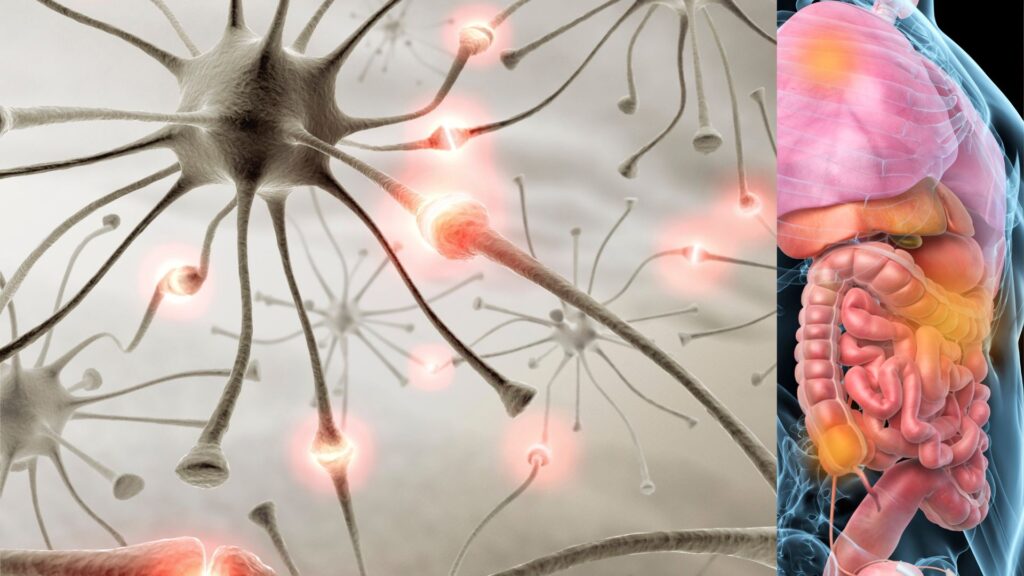
Autonomic nervous system dysregulation is a silent epidemic, underlying many cases of fatigue, anxiety, digestive problems, and even chronic pain. Your autonomic nervous system (ANS) controls every automatic process in your body—from heartbeat and digestion to temperature, sweating, and blood pressure. When the ANS becomes unbalanced, symptoms appear in every part of life. In this article, discover what causes autonomic nervous system dysregulation, how to recognise it, and science-backed steps—including SOS Essentials products—that can help restore balance.
Understanding Autonomic Nervous System Dysregulation
Your ANS has two main branches:
- Sympathetic (“fight-or-flight”): Mobilises you for action, raises heart rate, slows digestion, increases alertness.
- Parasympathetic (“rest-and-digest”): Calms you, lowers heart rate, boosts digestion, supports healing and repair.
Autonomic nervous system dysregulation occurs when one branch is always “on”—or your system can’t switch smoothly between them. You might be stuck in fight-or-flight (anxious, wired, unable to relax) or feel “shut down” (exhausted, foggy, or disconnected).
Causes and Symptoms of Autonomic Nervous System Dysregulation
Common Causes
- Chronic psychological stress and trauma
- Inflammation (autoimmunity, chronic infections)
- Toxin overload (heavy metals, pesticides, PFAS—see our kitchen detox guide)
- Poor gut health and dysbiosis
- Nutrient deficiencies (magnesium, B vitamins, omega-3s)
- Disrupted circadian rhythm and poor sleep
- Overtraining or physical inactivity
Symptoms to Watch For
- Irregular heartbeat, palpitations
- Digestive issues (constipation, diarrhea, IBS)
- Brain fog, poor memory, or focus
- Lightheadedness, dizziness, “crashing” when standing
- Fatigue that doesn’t improve with rest
- Cold hands and feet, temperature sensitivity
- Panic, anxiety, or “shutdown” feeling

How to Restore Autonomic Nervous System Balance
1. Practice Breathwork and Vagus Nerve Stimulation
- Slow, deep breathing (try 4-6 breaths per minute).
- Cold water face immersion, humming, or gargling—all stimulate the vagus nerve, helping you shift into “rest-and-digest.”
2. Mindfulness, Meditation, and Nature
- Regular mindfulness practice calms stress circuits, lowers inflammation, and improves HRV (heart rate variability).
- Time in nature or green spaces calms the ANS.
3. Optimise Nutrition for Nerve Health
- Magnesium-rich foods: Leafy greens, nuts, seeds.
- Omega-3 fatty acids: From fish or chia/flax.
- Fermented foods: Support gut-brain balance.
4. Consider Adaptogens and Antioxidant Support
- SOS Advance: May help regulate inflammation and oxidative stress, supporting nervous system balance.
- Other adaptogens: ashwagandha, holy basil (check with your doctor before use).
5. Repair Your Gut
- A healthy gut supports healthy nerves. Probiotics, fiber, and SOS Advance can assist, especially if symptoms flare after eating.
6. Move Regularly—but Gently
- Yoga, tai chi, gentle walking, and stretching support nervous system flexibility. Overexertion can make symptoms worse.
7. Prioritise Sleep and Consistency
- Aim for 7–8 hours nightly.
- Keep regular meal and sleep schedules.

FAQs: Autonomic Nervous System Dysregulation
Q: Can you really “rewire” your nervous system after years of symptoms?
A: Yes. Neuroplasticity means your system can adapt and heal—even after years of imbalance.
Q: Can SOS Essentials help?
A: SOS Advance supports your body’s natural inflammatory and antioxidant defences, which can help take pressure off your ANS while you rebuild resilience.
Read more here;
NIH Resource on Dysautonomia
Heart Rate Variability and Health
Conclusion: Finding Balance for Body and Mind
Autonomic nervous system dysregulation affects every aspect of life—but it’s possible to heal. Small steps, from breathwork to nutrition and targeted support like SOS Advance, add up. Rebalancing your ANS means more calm, energy, focus, and a stronger, more adaptable you.