

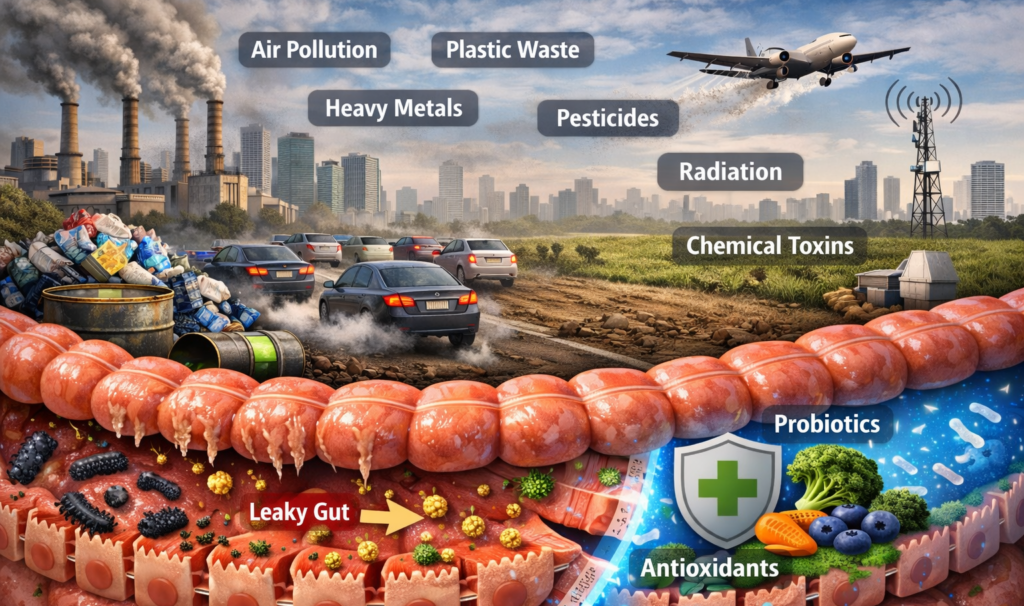
While most health-conscious individuals focus on diet, exercise, and stress management, few recognize how environmental toxins silently disrupt the delicate microbial ecosystem that governs immunity, mood, metabolism, and disease resistance. Indeed, environmental toxins represent an invisible yet pervasive threat to gut health and overall wellbeing.
Groundbreaking 2025 research from Cambridge University identified 168 common chemicals that disrupt beneficial gut bacteria—including pesticides and industrial compounds found in everyday products like flame retardants, plastics, and personal care items. Consequently, understanding and mitigating exposure to these harmful substances has become essential for anyone seeking optimal health in our increasingly contaminated world.
Understanding the Chemical Threat
The term “environmental toxins” encompasses the thousands of synthetic chemicals introduced into our air, water, food, and consumer products over the past century. Unlike the acute poisons that cause immediate illness, these substances operate insidiously—accumulating gradually in tissues, disrupting cellular function, and particularly devastating to the gut microbiome that forms the foundation of health.
The scope of exposure is staggering. The average person encounters over 200 synthetic chemicals before breakfast through food, water, personal care products, and household items. Moreover, these environmental toxins weren’t part of human evolution—our bodies lack efficient mechanisms to eliminate them, leading to bioaccumulation that progressively impairs health.
What makes these chemicals particularly dangerous to gut health is their antimicrobial properties. Many were designed specifically to kill microorganisms. When you ingest these substances through contaminated food and water, they don’t discriminate between harmful pathogens and beneficial gut bacteria. As a result, the outcome is progressive microbiome destruction that manifests as digestive disorders, immune dysfunction, mental health issues, and chronic disease.
The Cambridge Study: Chemical Disruption of Beneficial Bacteria
The Cambridge University study represents a watershed moment in understanding chemical impact on gut health. Specifically, researchers identified 168 common chemicals that significantly disrupt beneficial bacteria, with particularly harmful substances including:
Pesticide Residues: Glyphosate (Roundup), organophosphates, and neonicotinoids found in conventional produce act as antibiotics in your gut, killing beneficial species while promoting pathogenic overgrowth. Alarmingly, these environmental toxins persist despite washing and cooking.
Industrial Chemicals: Phthalates from plastics, per- and polyfluoroalkyl substances (PFAS) from non-stick cookware, and flame retardants from furniture and electronics accumulate in tissues and continuously disrupt the microbiome. These substances leach into food, water, and air.
Food Additives: Artificial sweeteners, emulsifiers, and preservatives qualify as environmental toxins that directly damage gut bacteria while promoting inflammation and intestinal permeability.
The research, published in Nature Microbiology, demonstrated that even low-level exposure—well below regulatory “safe” limits—significantly alters microbial composition and diversity. Consequently, chronic exposure creates a state of persistent dysbiosis (microbial imbalance) that underlies countless health conditions.
How Chemical Pollutants Disrupt Gut Bacteria
These harmful substances damage the microbiome through multiple mechanisms, thereby creating a perfect storm of microbial destruction:
Direct Antimicrobial Effects: Many chemicals possess antibiotic-like properties, killing beneficial bacteria on contact. Unlike targeted antibiotics prescribed for specific infections, environmental toxins indiscriminately destroy microbes daily through continuous low-level exposure.
Inflammation Induction: Chemical pollutants trigger inflammatory responses that create a hostile environment for beneficial bacteria. Chronic inflammation from these substances shifts microbial composition toward inflammatory species, perpetuating a vicious cycle.
Gut Barrier Damage: Chemical exposure compromises the intestinal lining, creating “leaky gut” that allows toxins and bacteria to enter the bloodstream. This barrier dysfunction leads to systemic inflammation and immune activation.
Metabolic Disruption: Many chemicals function as endocrine disruptors, interfering with hormones that regulate gut function and microbial composition. These substances alter the chemical signals that govern bacteria-host communication.
Selective Pressure: Chemical pollutants create selective pressure favoring resistant, opportunistic species over sensitive beneficial bacteria. Over time, chronic exposure reshapes your microbiome toward pathogenic dominance.
Pharmaceutical Chemicals: The Medication-Microbiome Connection
Beyond industrial and agricultural chemicals, common medications represent a significant source of microbiome disruption. Stanford research published in Cell revealed that pharmaceuticals reshape gut microbial communities through predictable ecological competition patterns—essentially acting as environmental toxins within your digestive system.
Lead researcher Dr. KC Huang explains that “drug-induced microbiome disruption follows predictable ecological rules, which opens the door to anticipating and even preventing side effects on gut health.” The Stanford team tested 707 different clinically relevant drugs, examining how they altered bacterial species growth and community composition.
Antibiotics: While necessary for bacterial infections, antibiotics qualify as potent environmental toxins that indiscriminately destroy gut bacteria. A single course can reduce microbial diversity for months or even years, thereby creating long-term vulnerability to opportunistic infections and chronic disease.
Proton Pump Inhibitors (PPIs): Acid-blocking medications alter stomach pH, allowing harmful bacteria to survive gastric acid that would normally destroy them. This medication-induced change facilitates pathogen colonization and microbiome disruption.
NSAIDs: Non-steroidal anti-inflammatory drugs damage the intestinal lining, creating increased chemical absorption while disrupting microbial balance. Regular NSAID use significantly alters microbiome composition.
Metformin: Despite its benefits for diabetes, metformin alters gut bacteria composition—representing another example of how pharmaceutical chemicals shape our microbial ecosystem.
Postdoctoral researcher Handuo Shi noted that “drugs don’t just kill bacteria; they also reshuffle the ‘buffet’ in our gut, and that reshuffling shapes which bacteria win.” This research emphasizes that virtually all medications influence the microbiome to some degree.
Detecting Chemical Impact on Your Health
Recognizing how chemical exposure affects your health helps motivate protective action. Common signs of toxin-induced microbiome disruption include:
Digestive Disturbances: Bloating, gas, constipation, diarrhea, or irregular bowel movements often reflect environmental toxins damaging beneficial bacteria and gut barrier function.
Skin Conditions: Acne, eczema, psoriasis, and other inflammatory skin conditions frequently result from chemical burden creating gut dysbiosis and systemic inflammation.
Mental Health Issues: Depression, anxiety, brain fog, and mood instability can stem from chemical pollutants disrupting the gut-brain axis and neurotransmitter production.
Immune Dysfunction: Frequent infections, allergies, or autoimmune conditions often trace back to chemicals compromising the microbiome that governs 70% of immune function.
Metabolic Disorders: Weight gain resistance, blood sugar instability, and metabolic syndrome correlate with chemical exposure disrupting metabolic-regulating gut bacteria.
Chronic Fatigue: Persistent exhaustion despite adequate sleep often reflects chemical burden overwhelming cellular detoxification capacity while disrupting energy-producing gut bacteria.
Reducing Chemical Exposure: Practical Strategies
While complete avoidance is impossible in modern life, strategic reduction significantly decreases total burden:
Food-Based Protection
Choose Organic: Prioritize organic produce for the “Dirty Dozen”—foods highest in pesticide residues. This single change dramatically reduces agricultural chemical exposure.
Filter Water: Install quality water filtration removing chlorine, fluoride, heavy metals, and pharmaceutical residues—common contaminants in municipal water supplies.
Avoid Plastic: Store and heat food in glass or stainless steel containers. Plastic leaches chemicals including phthalates and BPA that disrupt hormones and gut bacteria.
Read Labels: Avoid processed foods containing artificial additives, preservatives, and sweeteners—all environmental toxins that damage the microbiome.
Wild-Caught Fish: Choose smaller, wild-caught fish over farmed varieties to minimize mercury and other substances that bioaccumulate in larger species.
Household Chemical Reduction
Natural Cleaning Products: Replace conventional cleaners containing chemicals with simple solutions like vinegar, baking soda, and castile soap.
Non-Toxic Personal Care: Choose personal care products free from parabens, phthalates, synthetic fragrances, and other substances absorbed through skin.
Air Purification: Use HEPA filters to remove airborne pollutants including particulate matter, VOCs, and industrial chemicals.
Dust Regularly: House dust concentrates harmful substances including flame retardants and pesticide residues. Regular cleaning reduces exposure.
Natural Fabrics: Choose organic cotton, wool, and other natural fibers over synthetic materials treated with flame retardants and stain protectors.
Cellular Detoxification: Eliminating Accumulated Chemicals
While reducing exposure prevents new accumulation, addressing existing burden requires active detoxification support. Your body possesses innate detoxification systems, but they’re overwhelmed by modern chemical levels.
SOS Advance provides comprehensive cellular support for chemical elimination. Formulated using quantum technology, it penetrates deep tissue where harmful substances accumulate, supporting your body’s natural detoxification pathways. By helping remove stored chemicals, SOS Advance allows beneficial bacteria to recover and thrive.
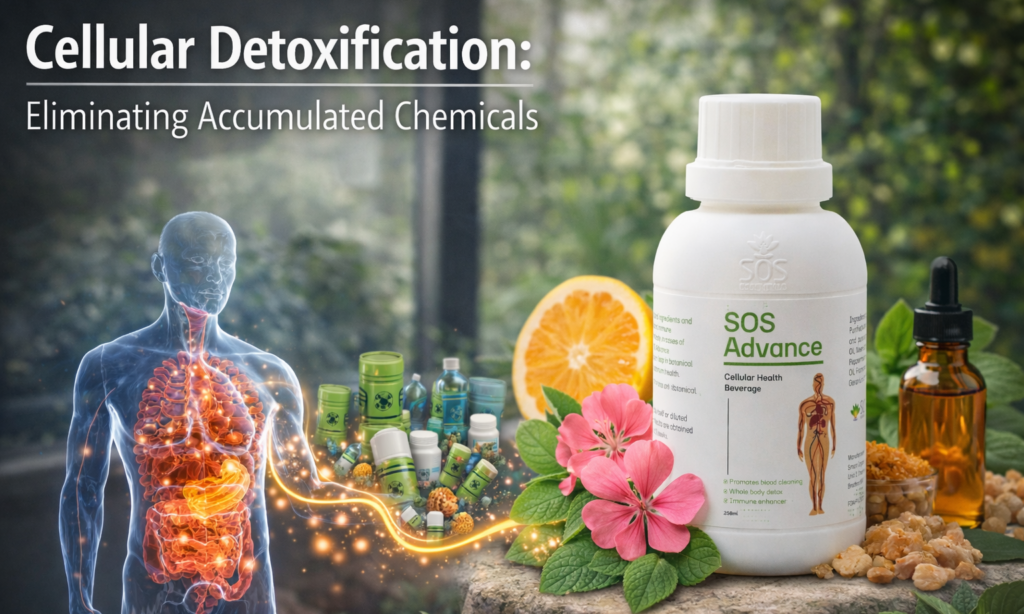
The essential oils in SOS Advance possess chelating properties that bind chemicals for elimination while supporting liver and kidney function—your primary detoxification organs. Regular use creates progressive chemical reduction, thereby relieving the burden suppressing microbiome health.
For ongoing protection against continuous exposure, SOS Maintain provides sustained detoxification support. Rather than allowing chemicals to reaccumulate, this maintenance formula helps your body continuously eliminate daily exposures, maintaining the clean internal environment necessary for optimal microbiome function.
Supporting Microbiome Recovery
Once chemical burden is reduced, actively supporting microbiome recovery accelerates healing:
Prebiotic Fiber: Feed beneficial bacteria with diverse fiber sources including vegetables, fruits, legumes, and whole grains. Prebiotics provide fuel for bacteria recovering from chemical damage.
Fermented Foods: Introduce beneficial bacteria through kimchi, sauerkraut, kefir, and yogurt. These foods help repopulate microbes destroyed by chemical exposure.
Polyphenols: Compounds in berries, green tea, and dark chocolate selectively feed beneficial bacteria while inhibiting pathogenic species promoted by chemicals.
Resistant Starch: Found in cooked and cooled potatoes, rice, and green bananas, resistant starch feeds beneficial bacteria particularly vulnerable to chemical damage.
Bone Broth: Provides amino acids that repair gut lining damaged by chemical exposure, thereby facilitating microbiome recovery.
The Chemical-Inflammation Connection
Chemical pollutants don’t just kill beneficial bacteria—they trigger chronic inflammation that perpetuates microbiome dysfunction. When chemicals compromise gut barrier integrity, bacterial fragments and toxins enter the bloodstream, activating systemic immune responses.
This inflammation creates a hostile environment for beneficial bacteria while promoting inflammatory species. The result is a self-perpetuating cycle: chemicals create inflammation, inflammation disrupts the microbiome, and microbiome disruption increases chemical absorption and inflammation.
SOS OnCare addresses this inflammation cycle through its nano-formulated blend of anti-inflammatory essential oils. Ingredients like turmeric, frankincense, and chamomile reduce the inflammatory burden created by chemical exposure, allowing beneficial bacteria to recover while protecting gut barrier integrity.
By simultaneously reducing chemical burden and controlling inflammation, you create optimal conditions for microbiome restoration and long-term health.
Children and Chemical Vulnerability
Children face particular vulnerability to environmental toxins due to their developing microbiomes, higher exposure relative to body weight, and less efficient detoxification systems. Childhood represents a critical window for microbiome establishment—disruption during this period creates lifelong health consequences.
Research demonstrates that childhood chemical exposure correlates with increased risk of allergies, asthma, obesity, behavioral disorders, and autoimmune conditions. These conditions often stem from toxin-induced microbiome disruption during crucial developmental stages.
Protecting children requires:
- Organic food whenever possible to minimize pesticide exposure
- Filtered water free from chlorine and fluoride
- Natural personal care and cleaning products
- Minimal plastic exposure, especially for food storage
- Supporting detoxification through whole foods and cellular support appropriate for children
Chemical Testing and Monitoring
While comprehensive testing can be expensive, certain accessible tests reveal total burden:
Heavy Metals Panel: Blood or urine testing reveals mercury, lead, arsenic, and cadmium—common substances bioaccumulating in tissues.
Organic Pollutants Screen: Specialized labs test for pesticides, PCBs, and other persistent chemicals stored in fat tissue.
Microbiome Analysis: Comprehensive stool testing reveals chemical impact on bacterial diversity, beneficial species abundance, and pathogenic overgrowth.
Liver Function Tests: Standard blood work showing elevated liver enzymes may indicate chemical burden overwhelming detoxification capacity.
Regular monitoring helps track reduction progress, motivating continued protective practices while confirming interventions’ effectiveness.
Long-Term Chemical Management
Chemical exposure isn’t a one-time problem solved and forgotten—it requires ongoing vigilance as new substances continuously enter our environment. Long-term management focuses on sustainable practices preventing reaccumulation:
Annual Detoxification: Periodic intensive cellular cleansing helps eliminate chemicals accumulated despite best preventive efforts.
Continuous Awareness: Stay informed about emerging chemical risks and protective strategies as research evolves.
Community Action: Support policies reducing chemicals in food, water, and consumer products. Individual protection is important, but collective action creates broader change.
Education: Share chemical awareness with family and friends, creating communities of informed individuals protecting themselves and future generations.
Conclusion: Reclaiming Health from Chemical Pollution
Environmental toxins represent one of the greatest threats to gut health and overall wellbeing in modern life. The Cambridge research confirming 168 common chemicals disrupt beneficial bacteria should serve as a wake-up call: we cannot achieve optimal health while ignoring chemical burden.
However, this isn’t cause for despair—rather, it’s a call to informed action. By understanding chemical sources, implementing strategic exposure reduction, and supporting your body’s innate detoxification capacity, you can dramatically decrease chemical burden while allowing your microbiome to recover its health-promoting potential.
The path forward combines awareness, action, and cellular support. Reduce exposure where possible, support detoxification through quality formulations like SOS Advance, maintain progress with ongoing cellular protection, and nourish your recovering microbiome with whole foods and beneficial bacteria.
Your gut bacteria want to support your health—they simply need an environment free from the chemicals constantly undermining their survival. Creating that environment is one of the most powerful investments you can make in long-term health, vitality, and disease resistance.
The question isn’t whether environmental toxins affect you—research confirms they do. The question is: what will you do to protect yourself and those you love from this invisible threat?
Explore more evidence-based wellness insights at the SOS Essentials blog, where we share weekly articles on natural health optimization, cellular detoxification, and holistic approaches to vibrant living in our modern world.
Disclaimer: This information is for educational purposes only and is not intended to diagnose, treat, cure, or prevent any disease. Always consult with a qualified healthcare professional before making changes to your health regimen.