

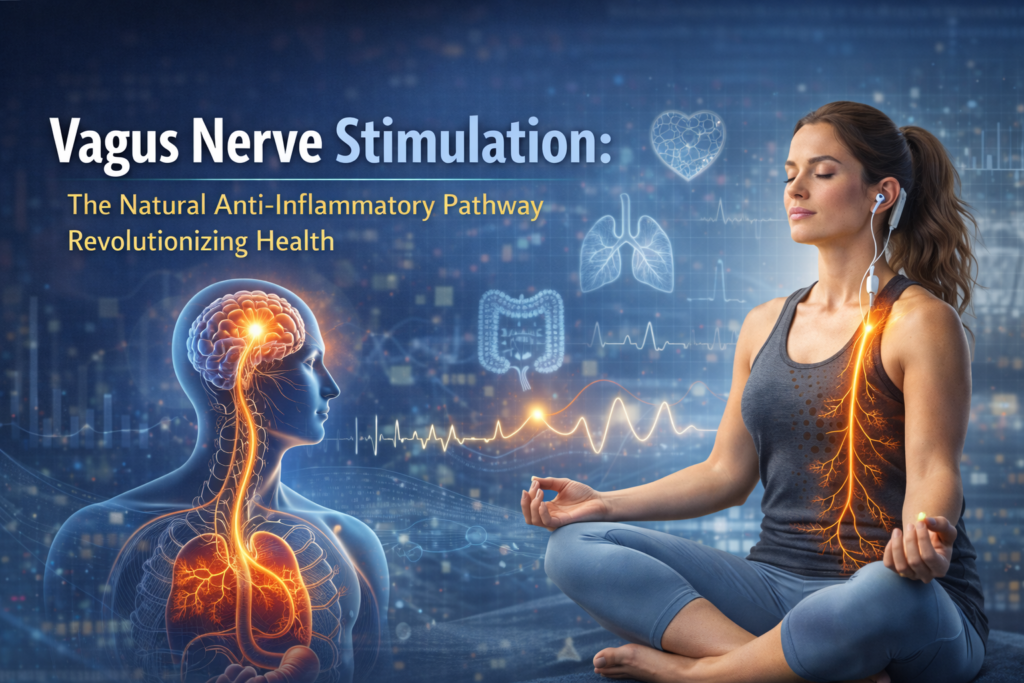
This remarkable nerve, stretching from your brainstem to your abdomen, functions as your body’s master controller—regulating everything from heart rate and digestion to immune response and emotional regulation. Indeed, vagus nerve stimulation has emerged as one of the most powerful natural interventions for managing inflammation, stress, and chronic disease. Furthermore, recent FDA approval has catapulted this ancient healing pathway into mainstream medical recognition.
The FDA’s July 2025 approval of the SetPoint System for treating rheumatoid arthritis marks a watershed moment in medical history. Notably, clinical trials demonstrated that patients receiving treatment experienced significant improvements in disease activity and reduced joint damage—thereby validating what holistic practitioners have understood for decades about the power of nerve-based healing.
Understanding Nerve Function (Vagus Nerve Stimulation)
Vagus nerve stimulation refers to the process of activating this critical nerve to enhance parasympathetic nervous system function. Specifically, the vagus nerve, meaning “wandering nerve” in Latin, is the longest cranial nerve in your body, forming a crucial communication channel between your brain and major organs.
When stimulation occurs, it triggers a cascade of healing responses including reduced inflammation, improved digestion, enhanced mood regulation, and better stress resilience. Remarkably, this single nerve influences approximately 75% of your parasympathetic nervous system—the “rest and digest” state that counterbalances the stress-driven “fight or flight” response.
Without adequate nerve tone, your body remains trapped in chronic stress mode, consequently leading to inflammation, immune dysfunction, and accelerated aging. Therefore, the importance of optimal function cannot be overstated in modern health optimization.
Revolutionary FDA-Approved Research
The SetPoint System’s FDA approval represents the convergence of decades of research by Dr. Kevin J. Tracey at the Feinstein Institutes for Medical Research. Dr. Tracey’s pioneering work established the nerve’s role in controlling inflammation, demonstrating that stimulating this pathway could effectively reduce inflammatory responses.
The approval was supported by data from the randomized, double-blind, sham-controlled RESET-RA trial, which included 242 patients with rheumatoid arthritis. According to published results, 51.5% of the treatment group achieved significant symptom relief. Moreover, 75% of study participants remained free of biologic or targeted synthetic DMARDs at 12 months.
Research also demonstrates that vagus nerve stimulation significantly improves depression symptoms, quality of life, and daily functioning in treatment-resistant patients. Additionally, studies show benefits for PTSD, sleep quality, athletic performance, and metabolic health—all stemming from enhanced parasympathetic tone.
The mechanism is elegantly simple: nerve activation triggers the cholinergic anti-inflammatory pathway, releasing acetylcholine that instructs immune cells to reduce inflammatory cytokine production. This represents your body’s natural inflammation control system.
The Inflammation Connection (Vagus Nerve Stimulation)
Chronic inflammation underlies virtually every major disease plaguing modern society—from cardiovascular disease and diabetes to autoimmune conditions and neurodegeneration. Traditional approaches focus on suppressing inflammation with pharmaceuticals, often creating dependency and side effects.
In contrast, vagus nerve stimulation offers a fundamentally different approach: enhancing your body’s innate anti-inflammatory mechanisms. When proper stimulation occurs, acetylcholine binds to receptors on immune cells, effectively instructing them to “stand down” from excessive inflammatory responses.
The relationship between inflammation and nerve tone is bidirectional. Chronic inflammation suppresses vagal function, while low vagal tone perpetuates inflammation—thereby creating a vicious cycle that accelerates disease progression. Consequently, breaking this cycle through intentional stimulation can dramatically improve health outcomes across multiple systems.
Mental Health and Emotional Wellbeing
Beyond physical health, the nerve profoundly impacts mental and emotional wellbeing. The nerve connects directly to brain regions governing mood, anxiety, and emotional regulation. When function is optimized, you experience greater emotional resilience, reduced anxiety, and improved stress tolerance.
Clinical studies demonstrate that stimulation therapy reduces depression symptoms by up to 50% in treatment-resistant patients—those who haven’t responded to conventional antidepressants. The mechanism involves multiple pathways: increased GABA (the calming neurotransmitter), enhanced serotonin production, reduced inflammatory cytokines contributing to depression, and improved heart rate variability—a key indicator of stress resilience.
For individuals struggling with anxiety, nerve stimulation provides rapid relief without medication. Simple techniques like deep breathing, cold exposure, or humming can shift your nervous system from sympathetic (stress) to parasympathetic (calm) dominance within minutes.
Natural Stimulation Techniques For A Vagus Nerve Stimulation
While medical devices offer powerful intervention, numerous natural methods can significantly enhance vagal tone without technology:
Deep Breathing
Slow, diaphragmatic breathing represents one of the most accessible techniques. When you breathe deeply at 5-6 breaths per minute, you directly stimulate vagal fibers, thereby triggering the relaxation response. This can be practiced anywhere, anytime, making it an invaluable tool for stress management.
The mechanism is elegant: slow breathing increases respiratory sinus arrhythmia (the natural variation in heart rate during breathing), which requires robust vagal input. Regular practice literally strengthens neural pathways, progressively improving baseline vagal tone over time.
Cold Exposure
Brief cold exposure powerfully stimulates nerve function. When you splash cold water on your face, take a cold shower, or immerse yourself in cold water, the vagus nerve responds immediately, slowing heart rate and triggering the relaxation response.
This acute stimulation provides both immediate stress relief and long-term vagal tone enhancement. Athletes increasingly use cold exposure to improve recovery, reduce inflammation, and optimize performance through enhanced parasympathetic function.
Vocal Exercises
Humming, chanting, singing, and gargling all mechanically stimulate the nerve. The vagus nerve has branches connecting to your vocal cords and throat muscles. When you engage these structures through vocalization, you create direct activation that triggers parasympathetic responses.
This explains why practices like mantra meditation, throat singing, and even singing in the shower feel so calming—they’re literally activating your body’s natural relaxation pathways.
Cellular Support for Optimal Function
While behavioral techniques enhance nerve function, cellular-level support can significantly amplify these benefits. Chronic inflammation, toxin accumulation, and oxidative stress all suppress vagal function, thereby limiting stimulation potential.
SOS OnCare provides comprehensive cellular support for optimal function through its nano-formulated blend of 14 essential oils. Ingredients like frankincense, myrrh, and turmeric reduce systemic inflammation that suppresses vagal tone, while peppermint and chamomile directly support nervous system function.
By reducing the inflammatory burden that inhibits proper nerve function, OnCare creates optimal conditions for vagal enhancement. The anti-inflammatory properties work synergistically with behavioral techniques, creating a positive feedback loop of enhanced health and resilience.
Additionally, SOS Advance helps eliminate toxins that trigger chronic inflammation. When your cellular environment is clean and inflammation is controlled, nerve stimulation becomes significantly more effective, thereby creating sustainable improvements in vagal tone.
Digestive Health and Vagal Tone
The vagus nerve controls virtually every aspect of digestion, making proper function essential for optimal gut health. Low vagal tone contributes to:
- Reduced stomach acid production and impaired digestion
- Slowed intestinal motility and constipation
- Decreased digestive enzyme secretion
- Compromised gut barrier function
- Dysbiosis (microbial imbalance)
When you enhance vagal tone, digestive function improves dramatically. The nerve signals the stomach to produce adequate acid, stimulates intestinal contractions for healthy motility, triggers pancreatic enzyme release, and supports the gut-brain axis that regulates appetite and satiety.
Many individuals with digestive disorders have low vagal tone without realizing it. By prioritizing nerve stimulation through breathing exercises, stress management, and cellular support, they often experience significant digestive improvement without pharmaceutical intervention.
Heart Rate Variability: Measuring Success

Heart rate variability (HRV) represents the most accessible way to measure vagal tone. Specifically, HRV quantifies the variation in time intervals between heartbeats—a direct reflection of parasympathetic function. Higher HRV indicates robust nerve function and excellent stress resilience, while low HRV suggests poor vagal tone and increased health risk.
You can measure HRV using wearable devices or smartphone apps, thereby providing real-time feedback on your status. This biofeedback allows you to identify which practices most effectively enhance your vagal tone, enabling personalized optimization strategies.
Regular HRV monitoring also reveals how lifestyle factors affect nerve function. Poor sleep, excessive alcohol, chronic stress, and processed foods all suppress HRV, while meditation, exercise, quality nutrition, and cellular support enhance it. This objective measurement transforms nerve health from an abstract concept into a trackable, improvable metric.
Immune Function and Inflammation Control
The vagus nerve forms a critical link between your nervous system and immune system. Through the cholinergic anti-inflammatory pathway, nerve stimulation directly regulates immune cell behavior, preventing excessive inflammatory responses while maintaining appropriate immune surveillance.
Research demonstrates that individuals with strong vagal tone recover faster from infections, experience less severe inflammatory symptoms, and maintain better immune balance. Conversely, low vagal tone correlates with chronic inflammation, autoimmune disorders, and immune dysfunction.
This immune-modulating effect explains why stress management and mind-body practices improve immune function. When you stimulate nerve function through meditation, breathwork, or other techniques, you’re literally instructing your immune system to maintain appropriate inflammatory responses rather than overreacting.
Sleep and Recovery Optimization
Quality sleep requires robust nerve function. The transition from wakefulness to sleep involves a shift from sympathetic to parasympathetic dominance—a process orchestrated by the vagus nerve. When function is inadequate, this transition becomes difficult, leading to insomnia, poor sleep quality, and insufficient recovery.
Athletes and high-performers increasingly focus on nerve stimulation for enhanced recovery. During sleep, vagal activity drives tissue repair, immune function, memory consolidation, and metabolic restoration. By optimizing function before bed through breathing exercises, meditation, or cold exposure, you can dramatically improve sleep quality and next-day performance.
The relationship between nerve tone and sleep is bidirectional: poor sleep suppresses vagal function, while enhanced vagal tone improves sleep quality. Breaking this cycle requires intentional stimulation practices combined with cellular support to reduce inflammation and toxin burden.
Building Stress Resilience
Modern life bombards us with chronic stressors that suppress nerve function, trapping us in perpetual fight-or-flight mode. This chronic stress state devastates health through multiple pathways: elevated cortisol, increased inflammation, impaired digestion, disrupted sleep, and compromised immune function.
Fortunately, vagus nerve stimulation provides the antidote to chronic stress. By strengthening your parasympathetic nervous system through regular vagal exercises, you build genuine stress resilience—not just the ability to cope with stress, but the capacity to maintain calm amid chaos.
This stress resilience manifests as:
- Faster recovery from acute stressors
- Lower baseline cortisol levels
- Improved emotional regulation
- Enhanced cognitive function under pressure
- Better physical health despite unavoidable stress
Building resilience through nerve stimulation isn’t about avoiding stress—rather, it’s about transforming your physiological response through enhanced vagal tone.
Long-Term Maintenance
While acute stimulation techniques provide immediate benefits, long-term vagal health requires sustained lifestyle practices and cellular support. The most effective approach combines:
Daily Practice: Implement at least one stimulation technique daily—deep breathing, cold exposure, meditation, or vocal exercises. Consistency is key; even five minutes daily builds significant vagal tone over time.
Cellular Support: Use formulations like SOS Maintain to sustain optimal cellular function that supports nerve health. By continuously eliminating toxins and supporting cellular health, you create ideal conditions for robust vagal tone.
Lifestyle Optimization: Prioritize sleep, manage stress, exercise regularly, and maintain social connections—all factors that enhance nerve function through multiple pathways.
Inflammatory Control: Address chronic inflammation through diet, cellular detoxification, and anti-inflammatory support. Since inflammation suppresses vagal tone, controlling inflammation is essential for sustained nerve health.
The Future of Nerve-Based Healing
As research continues validating the profound effects of vagus nerve stimulation, new technologies and interventions are emerging. Non-invasive devices are becoming increasingly sophisticated and accessible, offering personalized protocols for specific conditions.
Dr. Kevin Tracey, whose research laid the groundwork for FDA approval, envisions broader applications. “The idea that we understand these signals that travel in the vagus nerve to stop inflammation gives pause and gives hope,” he explained. Currently, clinical trials are underway for multiple sclerosis, Crohn’s disease, and other inflammatory conditions.
However, the most powerful tools remain natural, free, and always available: your breath, cold water, your voice, and your awareness. By understanding and intentionally cultivating nerve function, you harness your body’s innate healing intelligence without dependency on external interventions.
Conclusion: Reclaiming Health Through Natural Pathways
Vagus nerve stimulation represents a paradigm shift in health optimization—from suppressing symptoms to enhancing innate healing capacity. Whether you’re managing chronic inflammation, seeking mental health support, optimizing athletic performance, or simply wanting to build resilience against modern stressors, nerve activation offers a scientifically-validated, natural pathway to transformation.
The beauty lies in its accessibility. You don’t need expensive equipment, pharmaceutical interventions, or complex protocols. With simple daily practices supported by cellular-level nutrition, you can dramatically enhance vagal tone, reduce inflammation, improve mental health, and build the resilient, vibrant health you deserve.
Your vagus nerve is waiting to be activated. The question isn’t whether you should prioritize nerve stimulation—it’s how quickly you’ll begin experiencing the profound benefits this master controller offers for your physical, mental, and emotional wellbeing.
Discover more science-backed wellness strategies at the SOS Essentials blog, where we share weekly insights on natural health optimization, cellular wellness, and holistic approaches to vibrant living.
Disclaimer: This information is for educational purposes only and is not intended to diagnose, treat, cure, or prevent any disease. Always consult with a qualified healthcare professional before making changes to your health regimen.