


As winter settles across the UK, many people notice their bodies responding differently to the colder temperatures. From chilly fingers and toes to increased susceptibility to seasonal illnesses, the winter months present unique challenges to our overall health. Understanding how cold weather affects blood health and circulation can help you take proactive steps to maintain wellness throughout the season.
How Winter Affects Blood Health and Circulation
According to research published by Harvard Health, cold weather triggers blood vessel constriction, which redirects blood flow from extremities to vital organs. This natural response helps preserve core body temperature but can significantly impact circulation throughout the body.
During colder temperatures, our bodies conserve heat by redirecting blood away from extremities to vital organs, which means fewer immune cells are available at surface areas of the body. This physiological shift may explain why respiratory infections become more common during winter months.
Furthermore, when air temperatures drop, blood vessels constrict to prevent heat loss, which increases blood pressure and can make blood more prone to clotting. As the British Heart Foundation explains, this narrowing creates more pressure in the rest of the circulation, meaning the heart has to work harder to pump blood around the body. These changes underscore the importance of maintaining healthy blood flow during winter.
The Winter Immune System Challenge
Research from the University of Cambridge reveals fascinating insights about seasonal immunity. Scientists discovered that the activity of almost a quarter of our genes differs according to the time of year, affecting our immune cells and the composition of our blood. This finding helps explain why certain health conditions worsen during winter months.
The NHS emphasises the importance of winter health preparations. Getting your flu vaccine every year tops up your protection and reduces your risk of getting severe symptoms, particularly for adults at higher risk and those with weakened immune systems.
Additionally, research published in Nature Communications shows that immune cells change with the seasons, with colder months favouring cells that combat viral infections. This natural fluctuation means our immune system continually adapts to environmental demands.
Essential Nutrients for Blood Health During Winter

Maintaining proper nutrition becomes particularly important during colder months. According to the British Heart Foundation, vitamins A, B6, B12, C and D, along with copper, folate, iron, selenium and zinc, all play crucial roles in keeping our immune system functioning well.
Vitamin D deserves special attention during winter. Since vitamin D is mostly produced from exposure to sunlight, the NHS recommends that everyone consider taking a daily 10-microgram supplement in autumn and winter. This becomes even more critical for those who spend limited time outdoors or cover most of their skin.
Foods high in antioxidants, such as berries, leafy greens, and nuts, can help reduce inflammation and promote immune health. These nutrient-dense options support the body’s natural defence mechanisms whilst nourishing blood health.
Hydration and Blood Flow in Cold Weather
Many people underestimate the importance of hydration during winter. However, maintaining proper fluid intake remains essential for blood health year-round. Water is essential for keeping your body running smoothly, including your immune system, as staying hydrated helps your body flush out toxins and keeps your cells functioning at their best.
Moreover, adequate hydration supports the production of lymph, enabling white blood cells to reach sites of infection more effectively. This becomes particularly important when the body is working harder to maintain circulation in cold conditions.
Consider incorporating warm herbal teas and broths into your daily routine. These not only provide hydration but also offer comfort during chilly weather whilst supporting overall wellness.
Physical Activity and Winter Circulation

Regular movement plays a vital role in maintaining healthy blood flow. Exercise promotes good circulation, which allows immune cells and substances to move through the body more efficiently. This becomes especially important when cold weather naturally restricts blood vessels.
Regular exercise helps enhance immune function by improving circulation, flushing out bacteria, and making white blood cells more efficient. Even moderate activities such as brisk walking, yoga, or home workouts can make a significant difference in maintaining blood health during winter.
Therefore, aim for at least 30 minutes of gentle daily activity. Indoor options such as yoga, swimming in heated pools, or home exercise routines can help maintain circulation when outdoor conditions are less favourable.
Supporting Natural Body Processes

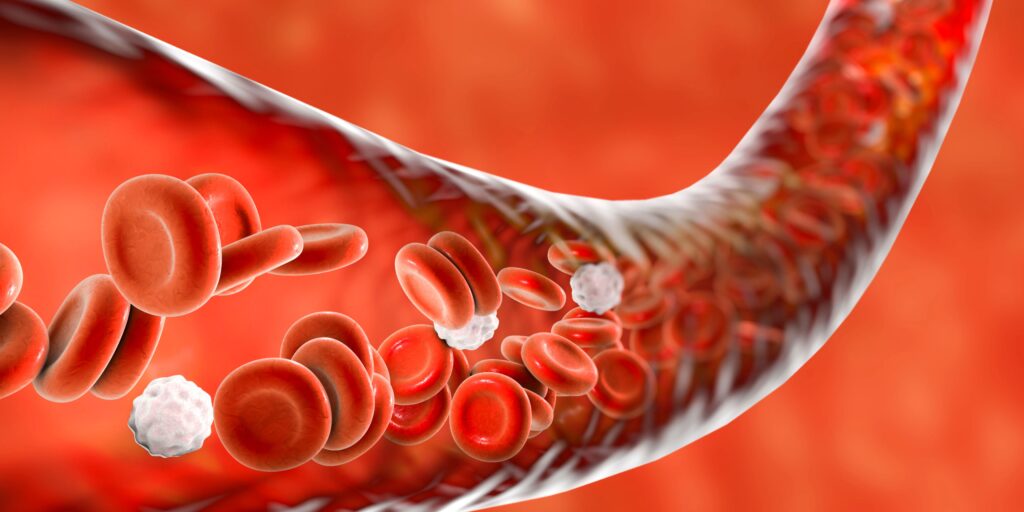
The body possesses remarkable natural mechanisms for maintaining health. Understanding and supporting these processes can help optimise winter wellness. Blood serves as the body’s primary transport system, delivering oxygen, nutrients, and immune cells throughout the body whilst removing waste products.
During winter, supporting this transport system becomes increasingly important. In cold weather, blood vessels constrict which means that blood flow is restricted and the heart has to work harder to pump blood around the body. Consequently, providing the body with appropriate support through nutrition, hydration, and lifestyle choices becomes essential.
Some people explore natural botanical supplements as part of their winter wellness routine. Historically, various plant essences—including cinnamon, peppermint, clove, and oregano—have been valued for their traditional properties. However, it’s important to consult healthcare providers before starting any new supplementation regimen.
Sleep and Immune Function
Quality sleep represents a cornerstone of immune health. Quality sleep is essential for a strong immune system, with adults needing 7-8 hours of restful sleep each night to allow the body to recharge and repair.
During sleep, the body undergoes crucial repair processes and produces infection-fighting cells. Establishing consistent sleep routines, maintaining cool bedroom temperatures, and avoiding screens before bedtime can significantly improve sleep quality and, consequently, immune function.
Stress Management and Blood Health
Chronic stress can substantially impact both circulation and immune function. Chronic stress can weaken the immune system, making it essential to engage in calming activities such as meditation, deep breathing, and yoga.
Stress triggers the release of hormones that can affect blood pressure and circulation. Therefore, incorporating stress-reduction techniques into daily routines—whether through mindfulness practices, gentle exercise, or spending time with loved ones—supports both mental wellbeing and physical health.
Hygiene and Prevention

Simple hygiene practices remain among the most effective preventive measures against winter illnesses. Proper handwashing with soap and water for at least 20 seconds effectively removes bacteria and viruses that can make you ill.
Additionally, the NHS recommends washing hands before preparing food, before eating, and after visiting public spaces. When soap and water aren’t available, hand sanitiser with at least 60% alcohol content provides effective protection.
Recognising When to Seek Medical Advice
Understanding when to consult healthcare professionals is crucial. If you’re 65 or over, or in one of the other at-risk groups, it’s important to get medical help as soon as you feel unwell.
The NHS offers multiple access points for medical advice: pharmacists can provide treatment guidance for minor illnesses, GPs can offer appointments or telephone consultations, and NHS 111 is available for urgent medical concerns when you’re unsure what to do.
Creating Your Winter Wellness Plan
Developing a comprehensive approach to winter health involves multiple interconnected factors. Consider the following evidence-based strategies:
Nutrition: Focus on consuming varied, nutrient-rich foods including fruits, vegetables, whole grains, lean proteins, and healthy fats. These provide the vitamins and minerals necessary for optimal blood health and immune function.
Hydration: Maintain consistent fluid intake throughout the day, even when you don’t feel particularly thirsty. Aim for approximately half your body weight in ounces of water daily.
Movement: Incorporate regular physical activity into your routine, adjusting intensity and location based on weather conditions. Indoor alternatives ensure consistency during harsh weather.
Rest: Prioritise 7-9 hours of quality sleep nightly, establishing routines that support restorative rest.
Stress reduction: Develop sustainable practices for managing stress, recognising that mental wellbeing significantly impacts physical health.
Preventive care: Stay current with recommended vaccinations, maintain good hygiene practices, and consult healthcare providers about any concerns.
The Role of Natural Support
Many individuals incorporate natural approaches into their winter wellness routines. Traditional botanical remedies have been used across cultures for generations, with modern interest focusing on how these natural compounds might support the body’s inherent processes.
Whilst no single supplement can replace a healthy lifestyle, some people find value in natural products that support overall wellness. However, it’s essential to approach supplementation thoughtfully, choosing quality products and consulting healthcare providers, particularly if you have existing health conditions or take medications.
Looking Ahead: A Holistic Approach

Winter blood health and circulation depend on multiple interconnected factors. Rather than seeking quick fixes, focus on sustainable lifestyle choices that support your body’s natural resilience. The evidence from NHS guidance and peer-reviewed research consistently points toward the same fundamental principles: proper nutrition, adequate hydration, regular movement, quality sleep, and stress management.
By understanding how cold weather affects blood health and circulation, you can make informed decisions that support wellbeing throughout the winter months. Remember that individual needs vary, and what works for one person may need adjustment for another. Therefore, personalise your approach based on your unique circumstances, health status, and lifestyle requirements.
Final Thoughts
Winter presents distinct challenges to blood health and circulation, but armed with knowledge and practical strategies, you can navigate the season successfully. The research from Harvard Health, the British Heart Foundation, and the University of Cambridge is clear: our bodies possess remarkable adaptive capabilities, and by supporting these natural processes through evidence-based approaches, we can maintain vitality throughout the coldest months.
Whether you’re concerned about maintaining circulation, supporting immune function, or simply optimising overall winter wellness, the principles remain consistent. Listen to your body, implement sustainable healthy habits, seek professional guidance when needed, and approach winter health proactively rather than reactively.
As temperatures drop and days shorten, remember that small, consistent actions compound over time. Each healthy choice—from staying hydrated to maintaining movement to prioritising sleep—contributes to the larger picture of winter wellness. By taking a comprehensive, informed approach to blood health and circulation during winter, you’re investing in both immediate comfort and long-term wellbeing.
Disclaimer: This article provides general health information and should not replace professional medical advice. Always consult qualified healthcare providers regarding specific health concerns or before starting any new health regimen. Individual circumstances vary, and what’s appropriate for one person may not suit another. The NHS and your GP surgery remain your primary resources for personalised medical guidance. Read more on our Blog page.